

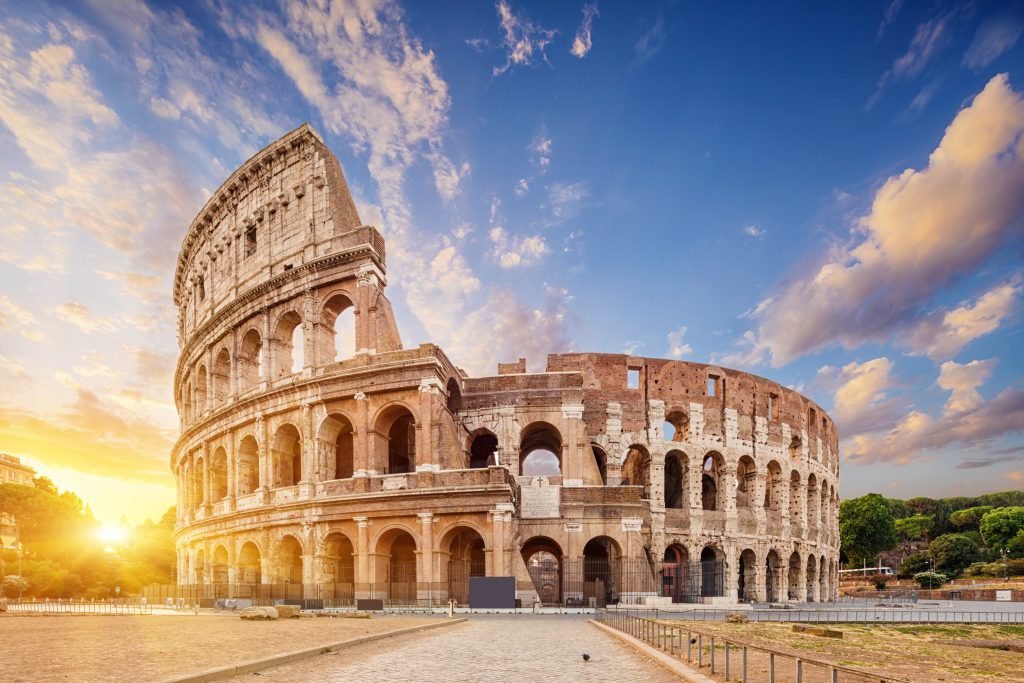
 41.90°N 12.50°E
Italy doesn’t have to be expensive
You can see Rome, Florence, the Cinque Terre, Bologna and Venice in two weeks for about €1,000–1,500, or roughly €70–110 a day, not counting flights. That covers dorm beds or simple private rooms, trains, food and the big-name sights.
Italy has a reputation for draining wallets, and it can. But most overspending comes from a few habits: booking trains last minute, eating next to the monuments, and paying for passes you don’t use. Fix those and the country gets a lot friendlier.
Quick answer
- Daily budget: €70–110 per person (backpacker style)
- Two-week total: €1,000–1,500, flights not included
- Best months for value: April–May and late September–October
- Biggest savings: book high-speed trains 3–4 weeks ahead, and eat where locals eat
All prices were checked in October 2026. I list my sources at the end.
The route at a glance
The route runs south to north in one line, so you never backtrack: 13 nights, five bases, and only trains.
Five stops, four train rides, no backtracking
1. Rome · Days 1–4 · 4 nights Colosseum, Vatican, Trastevere
↓ High-speed train · about 1h30 · from €15 booked early
2. Florence · Days 5–7 · 3 nights Uffizi, Oltrarno, Piazzale Michelangelo
↓ Regional train to La Spezia · about 1h40 · €12–15
3. Cinque Terre · Days 8–9 · 2 nights Base in La Spezia, trains to the villages
↓ Train via Parma or Florence · about 3 hours
4. Bologna · Days 10–11 · 2 nights Porticoes, food markets, aperitivo
↓ Regional train · about 1h30 · around €13
5. Venice · Days 12–14 · 2 nights Canals, Burano, Murano, Rialto
Fly into Rome and out of Venice. An open-jaw ticket usually costs about the same as a return and saves you a full travel day.
The 2-week itinerary, day by day
Days 1–4: Rome
- Day 1: Arrive, drop your bags and walk the centro storico: Piazza Navona, the Pantheon (€7) and the Trevi Fountain. Since February 2026, standing at the fountain’s basin costs €2 from 9am to 10pm, so go early or late.
- Day 2: The Colosseum, Roman Forum and Palatine Hill on one standard ticket (€18, valid 24 hours). Book a timed slot on the official site, and pick a morning slot to beat the heat.
- Day 3: The Vatican in the morning. St. Peter’s Basilica is free; the Vatican Museums are not, so book ahead. Spend the afternoon in Trastevere.
- Day 4: A free day for the Aventine Keyhole, Testaccio’s market and a cheap pizza al taglio dinner.
Budget tip: Tap your contactless card on Rome’s metro and buses. Each ride is €1.50 for 100 minutes, and spending stops at €8.50 a day.
Days 5–7: Florence
- Day 5: Take the high-speed train from Rome (about 1.5 hours; from about €15 booked early). Climb to Piazzale Michelangelo for sunset.
- Day 6: The Uffizi is €25 if you buy on the day, €29 in advance. Cross the Ponte Vecchio and wander the Oltrarno’s workshops.
- Day 7: A day of free churches, the Mercato Centrale and a lampredotto sandwich for lunch.
Days 8–9: Cinque Terre
- Day 8: Take the regional train from Florence to La Spezia (about 1h40, €12–15). Stay in La Spezia: it’s much cheaper than the villages and 10–25 minutes away by train.
- Day 9: Buy the Cinque Terre Train Card (€19.50–32.50 a day, depending on season) and hop between the five villages. Hike one stretch of trail; a Trekking Card costs €7.50–15 a day.
Days 10–11: Bologna
- Day 10: Ride the train to Bologna (about 3 hours, changing in Parma or Florence). Walk under the porticoes to Piazza Maggiore.
- Day 11: Bologna is Italy’s food capital and cheaper than Florence. Eat tortellini and mortadella, and go for evening aperitivo.
Days 12–14: Venice
- Day 12: The regional train to Venice takes about 1.5 hours and costs around €13. Get lost walking; it’s the best (and free) way to see the city.
- Day 13: Take a vaporetto to Burano and Murano. Single rides are €9.50, so a 24-hour pass (€25) pays off after three rides.
- Day 14: An early walk to Rialto before the crowds, then head home.
Budget tip: Sleep in Venice or Mestre rather than visiting as a day-tripper. Overnight guests are exempt from the Venice access fee.
What two weeks in Italy really costs
Expect to spend €965–1,550 per person for 14 days. The low end assumes dorm beds and lots of street food; the high end assumes cheap private rooms and a sit-down dinner most nights.
| What | Details | Low (€) | High (€) |
|---|---|---|---|
| Accommodation | 13 nights in hostels or budget rooms, about €30–55 a night | 390 | 715 |
| City taxes | Charged per night on top of your room; about €3.50–7 in each city | 30 | 60 |
| Food and drink | €25–35 a day: bakery breakfast, pizza or panini lunch, one proper dinner | 350 | 490 |
| Trains between cities | Rome→Florence, Florence→La Spezia, La Spezia→Bologna, Bologna→Venice | 55 | 105 |
| Cinque Terre Train Card | One day of unlimited trains between the villages | 19.50 | 32.50 |
| Local transport | Rome metro and buses (capped at €8.50 a day) and a 24-hour Venice vaporetto pass (€25) | 35 | 50 |
| Sights | Colosseum €18, Pantheon €7, Trevi basin €2, Vatican Museums €25, Uffizi €25–29, Cinque Terre Trekking Card €7.50–15 | 85 | 96 |
| Total | ≈965 | ≈1,550 |
Accommodation and food are typical budget prices, not fixed fares, so check current rates for your dates. Ticket prices are the official ones as of October 2026. Flights, travel insurance and shopping aren’t included.
About the Venice access fee: In 2026, day-trippers paid €5 (booked 4+ days ahead) or €10 (last-minute) to enter Venice’s historic centre on peak days between April and July. If you sleep in Venice, Mestre or the lagoon islands, you’re exempt. Check the 2027 dates before you go.
10 ways to save money in Italy
- Book high-speed trains 3–4 weeks ahead. Italo and Trenitalia sell Rome–Florence from about €15 early. The same seat can cost three times as much on the day.
- Take regional trains for short hops. They have fixed prices, need no booking, and are often barely slower. Bologna–Venice on a regional train takes about 1.5 hours.
- Plan around free museum days. On the first Sunday of the month, state museums like the Colosseum and Uffizi are free. The Vatican Museums are free on the last Sunday morning. Expect big crowds.
- Stand at the bar. An espresso at the counter costs a euro or two. Sitting at a table, especially on a famous piazza, can cost several times more.
- Watch for the coperto. Many restaurants add a per-person cover charge. It’s legal, but it should be on the menu, so check before you sit down.
- Make aperitivo your dinner. In Bologna and Venice, an evening drink often comes with snacks, sometimes a full buffet.
- Refill your water bottle. Rome’s nasoni fountains run with free, drinkable water all over the city.
- Sleep outside the hotspots. Stay in La Spezia rather than the Cinque Terre villages, and in Mestre rather than central Venice. You still avoid the Venice access fee.
- Skip the passes you won’t use. Check that a city card actually covers the sights you plan to see. Often individual tickets are cheaper.
- Travel in shoulder season. April–May and late September–October bring lower room prices, fewer crowds and better weather for walking.
FAQ
How much money do I need for 2 weeks in Italy? About €1,000–1,500 per person for budget travel, not counting flights. That’s roughly €70–110 a day for beds, food, trains and sights.
Is Italy expensive to visit? It can be, but it doesn’t have to be. Dorm beds start around €30, a filling slice of pizza costs a few euros, and many churches and piazzas are free.
Is 2 weeks enough for Italy? Two weeks is enough for five places at a comfortable pace. Trying to add southern Italy as well would mean spending much of the trip on trains.
Do I need to book trains in advance? Book high-speed trains (Frecciarossa and Italo) early for the best prices. Regional trains have fixed fares, so you can buy those on the day.
Do I have to pay to enter Venice? Only as a day-tripper on certain peak days. In 2026 it was €5 booked early or €10 last-minute. Overnight guests are exempt.
What’s the cheapest month to visit Italy? November to March, apart from Christmas, has the lowest room prices. For good weather at fair prices, choose April–May or late September–October.
Sources
Prices checked October 2026:
- Venice access fee 2026 calendar (The Local)
- Trevi Fountain entry fee (Turismo Roma)
- Pantheon ticket price (VisitRome)
- Colosseum tickets (Untold Italy)
- Vatican Museums tickets 2026 (Art Visit Guide)
- Uffizi official ticket fares (Uffizi Galleries)
- Rome metro ticket prices 2026 (Public Transport Guide)
- Venice vaporetto guide 2026 (Italy Planner)
- Cinque Terre Card explained (La Spezia Guide)
- Florence to Cinque Terre by train (Cinque Terre Riviera)
- Florence to Venice and Rome train fares (EveryRail)
- Bologna to Venice trains (Omio)
- Tourist taxes in Italy 2026 (Dolcevia, in Dutch)