
Egypt in 10 Days: A First-Timer’s Itinerary (Cairo, Luxor & Aswan)
 By TravelSpatial ·
· 9 min read
By TravelSpatial ·
· 9 min read
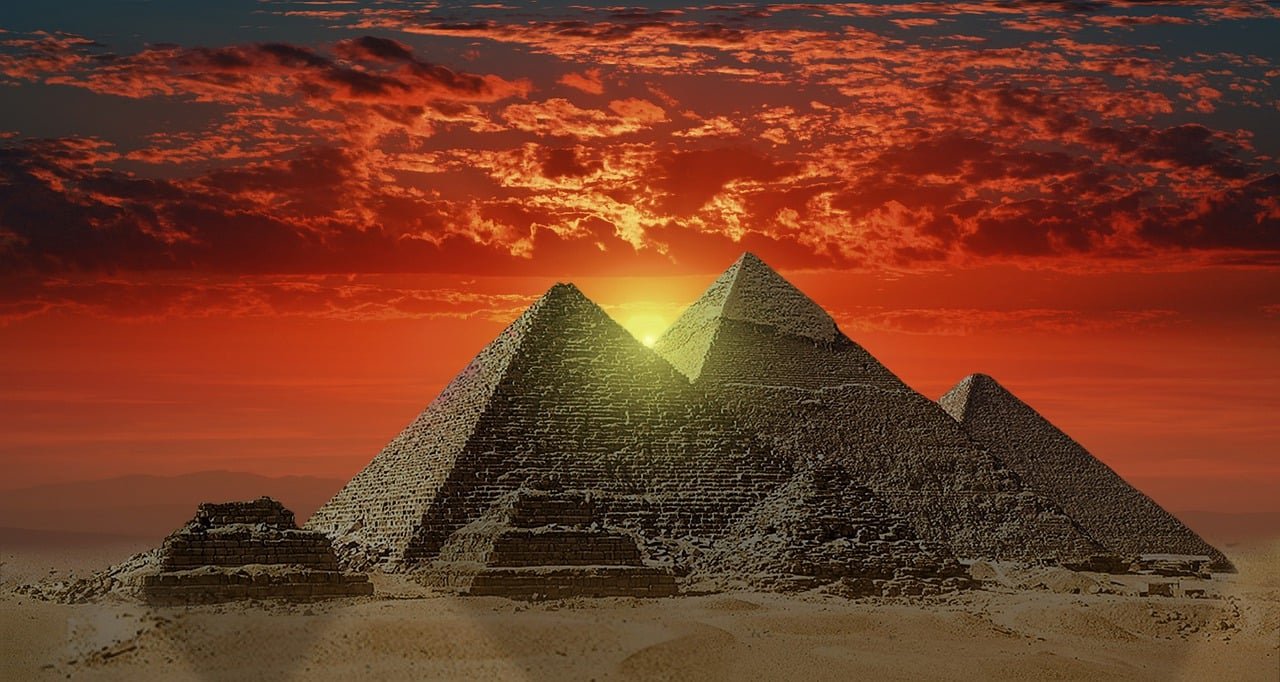 29.98°N 31.13°E
Ten days, three cities, 5,000 years
Ten days is enough to see Egypt’s big three properly: Cairo and the Pyramids, Luxor’s temples and tombs, and Aswan with Abu Simbel. This route travels north to south, uses one overnight train to save a hotel night, and flies back to Cairo at the end so you don’t repeat the journey.
It works for solo travellers and on a budget. Every ticket price below was checked in October 2026.
Nothing prepares you for the first glimpse of the Great Pyramid rising behind Giza’s apartment blocks. One moment you are in traffic; the next, the city simply stops and the desert begins.
Egypt at a glance
| Best time to go | October to April. June to August regularly passes 40°C in Luxor and Aswan. |
| Days needed | 10 (this route); 7 if you skip Abu Simbel and fly between cities |
| Daily budget | About $45–75 on a budget, $100–150 mid-range, plus tickets (see budget table) |
| Visa | E-visa $30 single entry, $65 multiple (Visas News) |
| Currency | Egyptian pound (EGP); about 53 EGP = $1 in October 2026 (Pound Sterling Live) |
| Getting around | Uber in Cairo, trains or flights between cities, taxis and boats locally |
The itinerary at a glance
| Day | Where | Highlights | Sleep |
|---|---|---|---|
| 1 | Cairo | Arrive, Islamic Cairo, Khan el-Khalili at night | Cairo |
| 2 | Giza & Saqqara | Pyramids and Sphinx at opening, Step Pyramid of Djoser | Giza |
| 3 | Giza → Luxor | Grand Egyptian Museum, overnight sleeper train | Train |
| 4 | Luxor East Bank | Luxor Temple, Karnak in the late afternoon | Luxor |
| 5 | Luxor West Bank | Sunrise balloon, Valley of the Kings, Hatshepsut | Luxor |
| 6 | Luxor → Aswan | Road trip via Edfu and Kom Ombo temples | Aswan |
| 7 | Aswan | Philae Temple, felucca sail at sunset | Aswan |
| 8 | Abu Simbel | Pre-dawn day trip to the temples of Ramesses II | Aswan |
| 9 | Aswan | Elephantine Island, Nubian village of Gharb Soheil | Aswan |
| 10 | Aswan → Cairo | Morning flight to Cairo, fly home | — |
Prefer a cruise? Swap days 6–8 for a 3-night Nile cruise from Luxor to Aswan. It stops at Edfu and Kom Ombo, includes meals, and you add Abu Simbel on day 9.
Days 1–3: Cairo and Giza
Day 1: Arrive and get lost in Islamic Cairo
Land, get your SIM card at the airport, and take an Uber to your hotel; it avoids haggling with airport taxis. In the late afternoon, walk Al-Muizz Street past mosques and madrasas, then let Khan el-Khalili bazaar swallow you after dark. End with mint tea at El Fishawy café.
For dinner, try koshari, Egypt’s national dish of rice, lentils, pasta and spicy tomato sauce. Abou Tarek in downtown Cairo is the classic place to order it.
Day 2: The Pyramids, the Sphinx and Saqqara
Be at the Giza plateau gate when it opens at 7 AM, before the heat and the tour buses. Plateau entry is 700 EGP (about $13), and going inside the Great Pyramid of Khufu is another 1,500 EGP (about $28), limited to roughly 150 visitors a day (Cairo Tourism).
- Tickets are card only; Visa and Mastercard work best.
- Book the Khufu interior online in peak season.
- Is it worth it? The inside is a hot, narrow climb to a bare granite room. Go for the experience, not the view.
- Ignore anyone who says the site is closed or offers a “shortcut” camel ride. Agree any camel or horse price, and its length, before you get on.
After lunch, take an Uber or driver about 30 km south to Saqqara. The Step Pyramid of Djoser is the oldest pyramid in Egypt, and the painted tombs nearby are often almost empty. Entry is 600 EGP, about $11.
Day 3: The Grand Egyptian Museum, then the night train
The Grand Egyptian Museum opened fully on 4 November 2025, beside the pyramids. It finally shows the entire Tutankhamun collection together, more than 5,000 objects including the gold mask.
- Foreign adult tickets are about 1,450–1,590 EGP ($28–30) and cover every gallery.
- Book a timed slot online at tickets.gem.eg; tickets are no longer sold at the door.
- Allow at least four hours, 60–90 minutes of them for Tutankhamun alone.
In the evening, board the overnight sleeper train to Luxor at Giza or Ramses station. The cabin replaces a hotel night, and you wake up in Luxor.
Days 4–6: Luxor
Luxor packs more major sites into a small area than anywhere else in Egypt. The Nile splits it in two: temples of the living on the East Bank, tombs of the dead on the West Bank.
Day 4: Luxor Temple and Karnak
Drop your bags, nap, then visit Karnak around 3 PM, when the light turns gold on the 134 columns of the Great Hypostyle Hall. Walk or take a horse carriage to Luxor Temple for sunset; it is lit up after dark and connected to Karnak by the restored Avenue of Sphinxes.
Day 5: Balloon at sunrise and the West Bank
A hot-air balloon over the West Bank at sunrise is the splurge worth making, at about 2,500–3,500 EGP per person. Pick an operator with a good safety record over the cheapest one. Then cross the river for:
- Valley of the Kings: the standard ticket includes a selection of regular tombs. Tutankhamun and Seti I cost extra; Ramesses V and VI is the best-value add-on.
- Temple of Hatshepsut: the terraced temple of Egypt’s most powerful female pharaoh.
- Colossi of Memnon: two 18-metre statues, free to see from the roadside.
Hire a driver for the day; the sites are several kilometres apart.
Luxor ticket prices (foreign adults)
| Site | EGP | About USD |
|---|---|---|
| Karnak Temple | 600 | $11 |
| Luxor Temple | 500 | $9 |
| Valley of the Kings | 750 | $14 |
| + Tutankhamun’s tomb | 700 | $13 |
| + Seti I’s tomb | 2,000 | $38 |
| + Ramesses V & VI tomb | 220 | $4 |
| Temple of Hatshepsut | 440 | $8 |
Students with a valid card usually pay half. Prices from Discover Discomfort, updated August 2026.
Day 6: Road trip to Aswan via Edfu and Kom Ombo
Hire a car and driver for the roughly 230 km drive south, or join a shared day tour. You stop at Edfu, the best-preserved temple in Egypt, and Kom Ombo, a double temple above the Nile with a small crocodile museum. Arrive in Aswan by late afternoon.
Days 7–9: Aswan and Abu Simbel
Aswan is Egypt’s slowest, friendliest city: granite islands, white-sailed feluccas and colourful Nubian villages. Build in some rest here.
Day 7: Philae and a felucca at sunset
Take a motorboat from the Shellal dock to Philae Temple, dedicated to Isis and moved stone by stone to Agilkia Island when the Aswan dams were built. In the late afternoon, hire a felucca for an hour or two around Elephantine and Kitchener’s Island. Agree the price per boat, not per person, before boarding. Philae entry is 550 EGP, about $10; agree the boat fare at the dock.
Day 8: Abu Simbel
The two temples of Ramesses II sit 280 km south, near the Sudan border. They were cut into a cliff and later moved 65 metres uphill to escape Lake Nasser. Standard entry is 822 EGP, about $16 (Solo Backpacker, May 2026).
| How to get there | Cost | Notes |
|---|---|---|
| Shared hotel van | 800–1,200 EGP per person | Leaves about 4 AM, back about 1 PM; about 2 hours on site |
| Private car | 5,000–5,500 EGP per car | Choose your own times; best for 3 or more people |
| Flight | 5,500–8,000 EGP return | 45 minutes each way; free shuttle to the temples |
| Public bus | 150–200 EGP | Leaves about 8 AM; plan to stay overnight in Abu Simbel |
The desert road is closed to tourist traffic from 5 PM to 5 AM, so leave Abu Simbel by 4 PM.
Day 9: Elephantine Island and a Nubian village
Take the public ferry to Elephantine Island and wander its Nubian villages and the ruins of ancient Abu. In the afternoon, take a boat to Gharb Soheil, a painted Nubian village. Stay for dinner, and avoid stops that keep baby crocodiles for tourist photos.
Day 10: Fly back to Cairo
Take a morning flight from Aswan to Cairo (about 1.5 hours) and connect to your flight home. With a late departure, spend the afternoon at the old Egyptian Museum in Tahrir Square or in Coptic Cairo.
Getting between cities
| Route | Best option | Time |
|---|---|---|
| Cairo → Luxor | Overnight sleeper train | About 9–10 hours |
| Luxor → Aswan | Car with temple stops, or day train | About 3.5 hours by train; a full day with stops |
| Aswan → Cairo | Domestic flight | About 1.5 hours |
Book the sleeper directly with the operator rather than through resellers, who charge about $210 for Cairo to Aswan (AAA listing). Dinner and breakfast are included. To Luxor, expect about $90–130 per person in a double cabin or $130–190 in a single. Book on abelatrains.com, the official site, 1–2 weeks ahead in peak season.
What 10 days in Egypt costs
Expect about $550–850 on a budget and $1,200–1,800 mid-range per person, before international flights. Hotel and food ranges come from this Luxor cost guide; transport figures are estimates to check when you book.
| Item (10 days) | Budget (USD) | Mid-range (USD) |
|---|---|---|
| Accommodation, 8 nights | 120–200 (guesthouses, $15–25) | 400–640 (Nile-view hotels, $50–80) |
| Food | 80–120 (local meals, $2–4) | 200–300 (restaurants, $5–16) |
| Sleeper train Cairo → Luxor | 90–130 (double cabin) | 130–190 (single cabin) |
| Luxor → Aswan | 10–25 (train) | 60–90 (car with temple stops) |
| Flight Aswan → Cairo | 60–120 | 60–120 |
| Local transport, drivers, Abu Simbel van | 40–60 | 100–150 |
| Entry tickets | 120–140 | 200–250 (adds Khufu interior, Tutankhamun’s tomb, balloon) |
| E-visa | 30 | 30 |
| Total | about 550–850 | about 1,200–1,800 |
The seven main tickets alone (Giza plateau, Grand Egyptian Museum, Karnak, Luxor Temple, Valley of the Kings, Hatshepsut and Abu Simbel) total about 5,300 EGP, or $100.
Practical tips before you go
- Visa: apply for the e-visa online at least a week ahead: $30 single entry, $65 multiple entry. The visa-on-arrival fee was raised in March 2026, so the e-visa is the safer bet.
- Money: site tickets are card only, but you need cash for taxis, tips, boats and small restaurants. Withdraw from bank ATMs and carry small notes (10–50 EGP).
- Tipping: baksheesh is part of daily life. Keep 10–20 EGP notes for bathroom attendants and helpers, and tip guides and drivers at the end of the day.
- Hassle: touts are persistent around the big sites. A smile and a firm “la, shukran” (no, thank you) works. Never accept a “free” gift or guided walk without asking the price.
- Dress: cover shoulders and knees, especially in mosques and villages. Women need a scarf to enter mosques.
- Solo and women travellers: Egypt is very doable solo, but expect attention. Hotel-booked drivers, Uber and the women-only carriages on the Cairo Metro help. Dress modestly, sit in the back of taxis, and keep replies to unwanted attention short and firm; most hassle stops at a clear no.
- Health: drink bottled water, wear sunscreen and a hat even in winter, and carry rehydration salts.
- Ramadan: sites keep shorter hours (Giza opens at 8 AM), and some restaurants close until sunset.
Frequently asked questions
Is 10 days enough for Egypt? Yes, for Cairo, Luxor and Aswan. Add 3–4 days for the Red Sea, or a Nile cruise if you want slower travel.
Is Egypt safe for tourists? The main tourist areas are heavily policed, and most visitors’ problems are scams and hassle rather than danger. Check your government’s travel advice before you book.
Nile cruise or independent travel? A cruise is easier and includes meals and guides. Independent travel is cheaper, more flexible and gives you more time at each site.
When are the Abu Simbel sun festivals? Around 22 February and 22 October each year, when sunrise lights the inner sanctuary. Tickets cost more on those days, about 1,272 EGP.
Sources
Prices checked October 2026:
- Giza Pyramids Tickets & Prices 2026, Cairo Tourism
- Egypt Entrance Fees 2026, Egypt For Travel (Saqqara, Philae)
- Grand Egyptian Museum guide, Egyptra
- Ultimate Guide to Luxor (2026), Discover Discomfort
- How to Travel from Aswan to Abu Simbel, Solo Backpacker
- Sleeper Train from Luxor to Cairo, Explore Luxor
- Egypt raises tourist e-visa fees, Visas News
- USD–EGP exchange rate history 2026, Pound Sterling Live
- Luxor Budget Guide 2026
- Sleeper train tickets, Cairo to Aswan, AAA