Adventure Travel for Beginners: How to Plan Your First Adventure Trip
 By TravelSpatial ·
· 8 min read
By TravelSpatial ·
· 8 min read
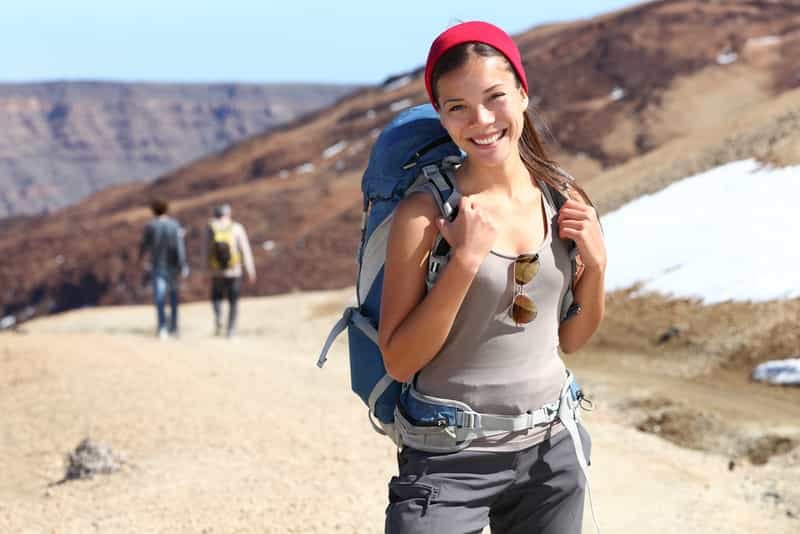
What adventure travel really means
Adventure travel doesn’t require climbing Everest or jumping out of planes. It means a trip with some physical activity, time in nature, and something new to you, like a multi-day hike, a sea-kayaking tour or a cycling route between villages.
The best first adventure is one that stretches you a little without scaring you off. This guide covers how to pick that trip, prepare your body and your bag, stay safe, and budget for it.
In this guide:
- How to choose your first adventure
- Guided tour or go it alone?
- Getting fit before you go
- Gear: what to buy, rent or borrow
- Safety, insurance and altitude
- Budgeting your first trip
- Travelling responsibly
- Beginner mistakes to avoid, plus FAQs
How to choose your first adventure
Start with “soft” adventure: trips that are active but have low risk and need no technical skills. Save “hard” adventure for once you know how your body and mind handle long days outdoors.
| Soft adventure | Hard adventure | |
|---|---|---|
| Examples | Day hikes, hut-to-hut treks on marked trails, snorkelling, guided kayaking, cycling tours | Mountaineering, high-altitude treks, ice climbing, remote expeditions, whitewater above class III |
| Skills needed | None, or a short briefing | Training, courses or certification |
| Risk | Low | Moderate to high |
| Good for a first trip? | Yes | Not yet |
Beginner-friendly ideas
- A multi-day hut-to-hut or lodge-to-lodge hike. You carry a daypack, and someone else handles beds and meals.
- Guided sea kayaking. Calm coastal water, a guide who reads the conditions, and gear provided.
- A self-guided cycling tour. Many operators plan the route, book the stays and move your luggage each day.
- Snorkelling, or a beginner scuba course. An entry-level dive certification takes a few days and is taught step by step.
- Desert or jungle trips with a local guide. The setting is the adventure; the guide handles navigation and safety.
Four questions to narrow it down
- What excites you most: mountains, water, wildlife or remote places?
- How fit are you right now, honestly? Pick a trip that matches today, not the version of you after a training plan.
- How many days do you have? Treks need buffer days for weather and rest.
- When can you go? Many routes have a short best season, and some close completely in the off-season.
Guided tour or go it alone?
For a first adventure, a guided or supported trip is usually the smarter choice. You learn the basics from people who do this every day, and someone else handles the logistics and the emergencies.
| Guided or supported | Independent | |
|---|---|---|
| Cost | Higher | Lower |
| Planning | Done for you | All on you: route, permits, stays, transport |
| Safety | Trained guide, first aid, an emergency plan | Your own skills and judgment |
| Flexibility | Fixed dates and pace | Total freedom |
| Best for | First trips, remote areas, routes that require a guide | Well-marked trails once you have some experience |
Some routes require a licensed guide or a permit, and others limit daily numbers, so check the rules before you plan anything else.
How to choose an operator
- Look for recent reviews that mention safety, guides and how problems were handled, not just the scenery.
- Ask about group size, guide-to-guest ratio and guide qualifications (first aid, local licensing).
- Ask what happens if someone gets sick or hurt: is there an evacuation plan?
- Check who it really suits. Daily distances, elevation gain and fitness grades say more than marketing words like “moderate”.
- Prefer operators that employ local guides and pay porters fairly.
Getting fit before you go
You don’t need to be an athlete, but training for the specific trip makes it far more enjoyable. Start about 8 to 12 weeks before you leave, and build up gradually.
- Train for the activity itself. For a trek, walk, and walk uphill. For a cycling trip, ride. Nothing prepares you better than doing the real thing.
- Practise back-to-back days. One long walk is easy; the third day in a row is what a trek really feels like. Do two long days over a weekend.
- Train with what you’ll carry. Wear the pack and shoes you’ll use on the trip, loaded to roughly the trip weight.
- Add stairs and hills. Uphill builds leg strength and stamina; steady downhill prepares your knees.
- Strengthen your core and legs two or three times a week with squats, lunges, step-ups and planks.
- Rest. Recovery days are when your body gets stronger. Taper the last week so you arrive fresh.
If you have a heart, lung or joint condition, or you’re planning a high-altitude trip, see your doctor before you book.
Gear: what to buy, rent or borrow
Buy only what touches your body every day and has to fit perfectly. Rent or borrow bulky, expensive gear you might use once.
| Item | Buy, rent or borrow? | Why |
|---|---|---|
| Hiking boots or trail shoes | Buy | Fit is everything. Break them in for several weeks before the trip. |
| Hiking socks | Buy | Merino or synthetic, never cotton. They prevent most blisters. |
| Backpack | Buy or borrow | Try it loaded in a shop. Hip-belt fit matters more than features. |
| Base layers | Buy | Wicking fabric keeps you dry and warm. |
| Rain jacket | Buy | Waterproof and breathable. Pack it even when the forecast looks good. |
| Warm mid-layer | Buy or borrow | A fleece or light insulated jacket for evenings and summits. |
| Sleeping bag | Rent | Bulky and pricey. Check the comfort rating, not just the “limit” rating. |
| Trekking poles | Rent or borrow | Ease the strain on your knees going downhill. |
| Technical gear (helmet, harness, wetsuit) | Rent or provided | Usually supplied by the operator. Ask first. |
Essentials for any day out: water, snacks, a headlamp, a small first-aid kit, sun protection, a warm layer, an offline map, and a fully charged phone with a power bank.
[Link to your packing list post here.]
Safety, insurance and altitude
Get the right travel insurance
Standard travel insurance often excludes adventure activities. Before you buy, check the policy wording for:
- Your exact activity (trekking, diving, rafting) and any limits on it, such as a maximum altitude or dive depth
- Emergency evacuation and search-and-rescue, including helicopter evacuation
- Medical cover high enough for treatment abroad
- Trip cancellation, in case of illness or bad weather
If an activity isn’t listed, assume it isn’t covered and ask the insurer in writing.
Understand altitude
Altitude sickness can affect anyone above about 2,500 m (8,200 ft), whatever their fitness. Common symptoms are headache, nausea, dizziness, tiredness and poor sleep.
- Ascend slowly. Above 3,000 m, a common guideline is to raise your sleeping altitude by no more than about 500 m a day, with a rest day every three to four days.
- Choose itineraries with acclimatisation days built in, even if they take longer.
- Never keep climbing with symptoms. If they get worse, descend. Going down is the most effective treatment.
- Ask your doctor about preventive medication before a high-altitude trip.
Everyday safety habits
- Share your itinerary and check-in times with someone at home.
- Check the weather and trail conditions every morning, and turn back early rather than late.
- Download offline maps and carry a paper backup on remote routes.
- Check your government’s travel advice for the destination before you book.
Budgeting your first adventure trip
Adventure trips have costs that city breaks don’t: permits, guides, gear and specialist insurance. List them all before you commit.
| Cost | What to plan for | How to save |
|---|---|---|
| Getting there | Flights, plus transfers to the trailhead, which are often remote | Book early; go in the shoulder season |
| Tour or guide | Often the biggest cost; check what’s included | Join a small group instead of a private tour |
| Permits and park fees | Required on many famous routes, sometimes capped and sold out months ahead | Book as early as allowed; some quieter routes need no permit |
| Gear | Boots, layers, pack, plus rentals | Rent or borrow anything you’ll use once |
| Insurance | Adventure or activity cover | Compare policies, not just prices |
| Tips | Guides, porters and crew; customs vary by country | Ask the operator for the local norm up front |
| Buffer | Weather delays, an extra night, a missed connection | Keep 10 to 15% of the budget aside |
[Optional: add a real budget breakdown from one of your trips here.]
Travelling responsibly
The places adventure travellers love are often fragile. A few habits keep them that way:
- Leave no trace. Pack out all your rubbish, stay on marked trails, and camp only where it’s allowed.
- Respect wildlife. Keep your distance, never feed animals, and choose operators that don’t offer touching or riding wild animals.
- Hire locally. Local guides, porters and family-run lodges keep your money in the community.
- Check porter welfare. On trekking routes, good operators limit porter loads and provide proper gear and insurance.
- Cut single-use plastic. Carry a refillable bottle and a filter or purification tablets.
Beginner mistakes to avoid
- Picking a trip that’s too hard. Choose one you can finish with energy to spare, not just survive.
- Wearing new boots on day one. Break them in for weeks beforehand.
- Packing too much. Every extra kilo hurts on the third uphill. Lay everything out, then remove a third.
- Skipping insurance, or buying the wrong kind. Check that it covers your activity and evacuation.
- No buffer days. Weather and tired legs happen. Plan at least one spare day.
- Ignoring how you feel. Turning back is a skill, not a failure.
Frequently asked questions
Do I need to be very fit for adventure travel?
No. Many soft-adventure trips suit anyone who can walk for a few hours. Pick a trip that matches your current fitness, then train for its specific demands.
Is adventure travel safe for solo travellers?
Yes, especially on guided or small-group trips, which are an easy way to meet people too. Going solo and independent, share your plans and choose busier, well-marked routes.
What is the best first adventure trip?
A guided multi-day hike, a sea-kayaking tour or a supported cycling trip. All three are active and memorable, need no technical skills, and come with someone handling logistics and safety.
How far ahead should I book?
Famous routes with permit limits can sell out months in advance, so check those first. For most other trips, two to four months is enough time to book and train.
Your first adventure starts small
Your first trip doesn’t need to be extreme. It needs to be a little outside your comfort zone, well planned and fun. Choose a soft adventure, train for it, get the right insurance, and go.