
Inca Trail vs Salkantay Trek: Which Route to Machu Picchu Is Right for You?
 By TravelSpatial ·
· 7 min read
By TravelSpatial ·
· 7 min read
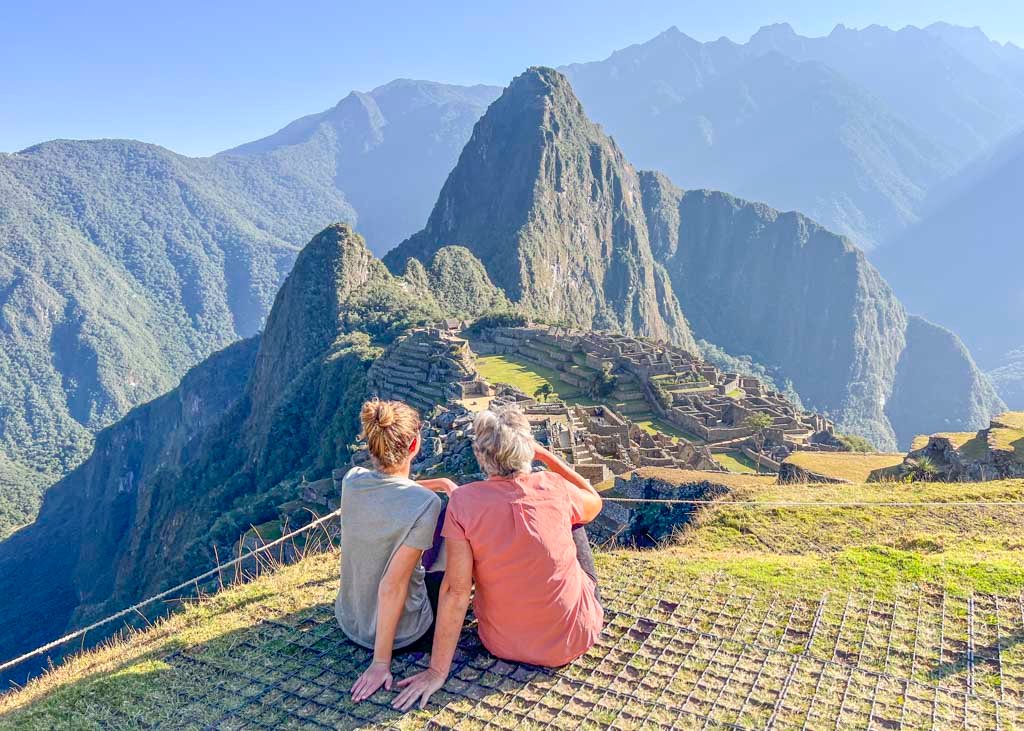
The quick answer
Choose the Classic Inca Trail if you want to walk an original Inca path past ruins and arrive at Machu Picchu through the Sun Gate, and you can book months ahead. Choose the Salkantay Trek if you want huge mountain scenery, more flexible dates, and no permit, and you can handle a higher pass.
Both end at Machu Picchu, and both take four to five days. The real differences are history versus scenery, permits versus freedom, and how high you’re willing to climb.
Inca Trail vs Salkantay at a glance
| Classic Inca Trail | Salkantay Trek | |
|---|---|---|
| Distance | About 42 km (26 mi) | About 69 to 74 km (43 to 46 mi), depending on the start point |
| Duration | 4 days, 3 nights | Usually 5 days, 4 nights |
| Highest point | Dead Woman’s Pass, 4,215 m (13,828 ft) | Salkantay Pass, about 4,600 to 4,650 m (15,100 to 15,250 ft) |
| Permit | Required; about 500 people a day in total, roughly 200 of them trekkers | None, and no daily limit |
| Guide | Mandatory, through a licensed operator | Not required by law, but strongly recommended |
| Closed | Every February, for maintenance | Open all year |
| Inca ruins along the way | Many, including Runkurakay, Sayacmarca and Wiñay Wayna | Few; optional Llactapata, with a view of Machu Picchu |
| Scenery | Cloud forest, stone stairways, ruins | Glaciers, Humantay Lake, high Andes, then jungle |
| Arrival at Machu Picchu | On foot, through the Sun Gate (Inti Punku) | By train or bus from Aguas Calientes, after a walk from Hidroeléctrica |
| Book ahead | 6 to 9 months for peak season | A few weeks to a few months |
Figures from Inca Trail Reservations and its Salkantay guide; sources differ slightly on altitudes and distances.
The Classic Inca Trail
The Classic Inca Trail starts at the Km 82 trailhead in the Sacred Valley and follows original Inca stonework for about 42 km to Machu Picchu. Day 2 is the hard one: a long climb to Dead Woman’s Pass at 4,215 m. On the last morning you walk through the Sun Gate and see Machu Picchu below you.
How permits work
- About 500 permits a day cover everyone who starts the trail. Roughly 200 are for trekkers; the rest go to guides, porters and cooks.
- Only licensed tour operators can buy permits, and you must hike with one. Independent hiking isn’t allowed.
- Permits are personal and non-transferable. Your name and passport number must match exactly, and you’ll show the same passport at the checkpoint.
- Permits for the next year usually go on sale in October, and peak months (roughly April to October) sell out months ahead.
- The trail closes every February for maintenance.
Why you’ll love it
- Ruins along the way that most Machu Picchu visitors never see, such as Wiñay Wayna
- Arriving on foot through the Sun Gate, the way the Inca did
- Everything handled: porters carry the camping gear and cooks prepare meals
The downsides
- You need to book far ahead, and dates can’t be changed once your permit is issued.
- It’s the busier, more expensive option. Group tours from budget operators typically start around US$600 to $900, with mid-range and private trips costing more (Inca Trail Reservations).
- Thousands of stone steps are hard on the knees, especially going down.
The Salkantay Trek
The Salkantay Trek is longer and higher, and swaps ruins for raw mountain scenery. Most groups start at Challacancha or Soraypampa near Mollepata, visit turquoise Humantay Lake, then climb over the Salkantay Pass, at about 4,600 m, beside the glaciers of Salkantay mountain (6,271 m).
After the pass, the trail drops steeply into cloud forest and coffee country. The last stretch follows the railway from Hidroeléctrica to Aguas Calientes, the town below Machu Picchu. Some itineraries cross Llactapata, a small ruin with a distant view of Machu Picchu.
Why you’ll love it
- Dramatic scenery: a glacier, a high pass and an alpine lake, then jungle, all in a few days
- No permit: you can book a few weeks ahead and pick your own dates
- Usually cheaper than the Inca Trail, with more operators to choose from
- Quieter, on the trail itself, though Humantay Lake gets busy with day-trippers
The downsides
- A higher, colder pass: the climb to 4,600 m is the hardest single day on either trek, and nights can drop below freezing
- No arrival through the Sun Gate: you reach Machu Picchu by bus or on foot from Aguas Calientes
- Machu Picchu tickets are separate: buy them, and your train back, well ahead, because site entry is capped every day
- Road sections: parts of the lower route follow dirt roads
Difficulty and altitude
Both treks are rated moderate to challenging. The altitude is harder than the distance. You don’t need technical skills for either, but you do need decent fitness and time to acclimatise.
- The Inca Trail is shorter but full of steep stone steps. Day 2 climbs about 1,200 m to Dead Woman’s Pass, then drops sharply.
- Salkantay is longer and reaches roughly 400 m higher. Pass day is long and cold, and the descent afterwards is just as long.
Acclimatise in Cusco first
Cusco sits at about 3,400 m (11,150 ft), already high enough for altitude sickness. Spend at least two to three days in Cusco or the lower Sacred Valley before either trek. Walk around gently, drink plenty of water, and go easy on alcohol.
Headaches, nausea and poor sleep are common at first. If symptoms get worse on the trail, tell your guide and descend. [See our guide to adventure travel for beginners for more on altitude and insurance.]
Best time to go, and when to book
The dry season, roughly April to October, brings the clearest skies and driest trails on both routes. It’s also the busiest time. June to August is peak season, with cold nights at altitude.
The wet season, November to March, brings rain, mud and cloud, but fewer people. The Inca Trail closes in February. Salkantay stays open, but the pass can be slippery or snowy, so check conditions with your operator.
Booking timeline
- Inca Trail: book 6 to 9 months ahead for April to October, and earlier still for June to August. Have your passport ready, because permits are issued in your name.
- Salkantay: a few weeks ahead is often enough. Book your Machu Picchu entry ticket and return train early, especially in peak season.
- Either trek: add two to three days in Cusco before you start, plus a buffer day after in case of train delays.
Other ways to hike to Machu Picchu
| Option | Length | Good for |
|---|---|---|
| Short Inca Trail | About 12 km, 2 days, from Km 104; highest point around 2,700 m | Short on time, or wary of altitude. You still arrive through the Sun Gate. Needs a permit and a licensed operator. |
| Salkantay + Inca Trail | Usually 6 to 7 days | Seeing both: Salkantay’s mountains, then the final days on the Inca Trail. Needs an Inca Trail permit. |
| Lares Trek | Usually 3 to 4 days, then train to Aguas Calientes | Andean villages, weaving communities and hot springs. No permit needed. |
Short Inca Trail details from Inca Trail Reservations; permit status of Lares from Ian Taylor Trekking.
The verdict
- Pick the Inca Trail for history, the Sun Gate arrival, and a fully supported trek, as long as you can commit to dates months in advance.
- Pick Salkantay for big mountain scenery, flexible dates, and a lower price, as long as you’re ready for a higher, colder pass.
- Short on time? The Short Inca Trail still gets you the Sun Gate in two days.
Whichever you choose, give yourself time to acclimatise in Cusco. It’s the single biggest factor in enjoying either trek.
Frequently asked questions
Which is harder, the Inca Trail or Salkantay?
Salkantay is generally considered harder: it’s longer and its pass is roughly 400 m higher. The Inca Trail’s steep stone steps are tough in their own way, especially on the knees.
Can I hike the Inca Trail without a guide?
No. You must book through a licensed operator and hike with a guide. Salkantay can legally be hiked independently, but a guide is recommended unless you have high-altitude trekking experience.
Do I need a permit for Salkantay?
No trekking permit is needed. You still need a Machu Picchu entry ticket, and you may pay small community fees along the way.
Does the Inca Trail permit include Machu Picchu?
Classic Inca Trail packages normally include Machu Picchu entry and a guided tour. Confirm exactly what’s included with your operator before you book.
[Your call to action: link your Peru and Cusco guides, or invite readers to subscribe.]
Sources
- Inca Trail Reservations: Inca Trail guide
- Inca Trail Reservations: Salkantay trail data
- Ian Taylor Trekking: Inca Trail permits explained
- Machu Picchu Travel: Inca Trail tickets and rules
Rules, permit numbers and prices change. Check them with your operator, or on Peru’s official ticketing site, before you publish and before you book.