
France on a Budget: The Perfect 2-Week Itinerary for First-Timers
 By TravelSpatial ·
· 11 min read
By TravelSpatial ·
· 11 min read
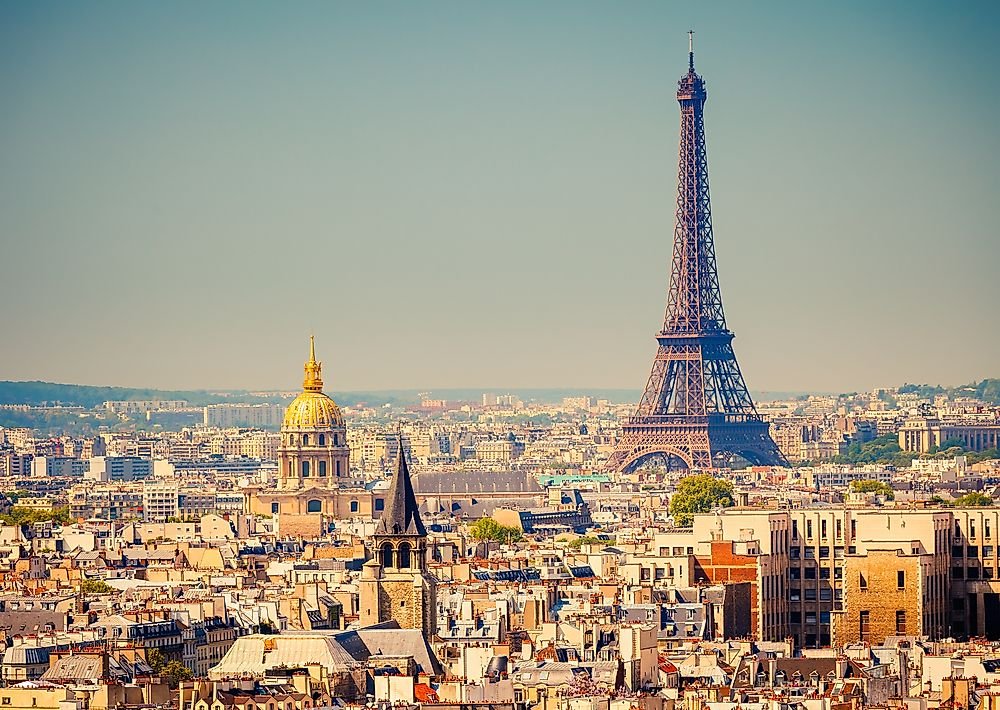
France is the most visited country in the world, and it has a reputation to match: expensive, crowded, hard to plan. It doesn’t have to be any of those. With fast trains, cheap bakery lunches and a little timing, you can see four very different sides of France in two weeks without blowing your budget.
This itinerary is built for first-timers travelling solo or as a couple on a mid-range budget. It runs Paris → Loire Valley → Provence → the French Riviera, entirely by train and local bus, so you never need a car. Below you’ll find a day-by-day plan, a full cost breakdown, how to book trains cheaply, and the new entry rules for 2026.
Picture it: a warm croissant from a corner bakery in Paris, a château reflected in a quiet river, a glass of rosé under the plane trees in Avignon, and a swim in the Mediterranean to finish. All of it fits into one trip, and all of it can be done on a budget.
France at a glance
| Route | Paris → Loire Valley → Avignon (Provence) → Nice (Riviera) |
| Length | 14 days, 4 bases, 3 long train rides |
| Daily budget | About €95–120 per person, solo, staying in hostels or budget hotels (full breakdown below) |
| Best time | May–June or September; late June–mid July for lavender |
| Getting around | TGV and regional TER trains, plus local buses; no car needed |
| Fly in / out | Paris CDG or Orly in, Nice Côte d’Azur out (book an open-jaw ticket) |
| Entry | Schengen rules; non-EU visitors are registered by the EES biometric system at the border |
| Currency | Euro (€); contactless cards work almost everywhere |
The route day by day
- Days 1–4: Paris. Museums, neighbourhoods and the Eiffel Tower, done cheaply.
- Days 5–6: Loire Valley. Châteaux by bike from Amboise and Blois.
- Days 7–10: Provence. Avignon as a base, with day trips to Arles, the Pont du Gard and the Luberon.
- Days 11–14: French Riviera. Nice as a base, with Èze, Monaco and Antibes by bus and train.
Short on time? Cut the Loire and go straight from Paris to Avignon by TGV in about 2h40.
The route by train: Paris → Amboise (about 1h30) → Blois (20 min) → Avignon (4½–5½ hours) → Nice (3½–4 hours).
Days 1–4: Paris
Four days is enough to see the big sights without rushing, as long as you group them by area. Start each day early: the queues at 9am are a fraction of those at 11am.
Day 1: The Seine and the islands. Walk from Notre-Dame (free to enter) across Île Saint-Louis to the Marais. Have lunch at the Marché des Enfants Rouges, then end the day watching sunset from the Pont des Arts.
Day 2: The Louvre and the Eiffel Tower. Do the Louvre in the morning; it’s closed on Tuesdays and open until 9pm on Wednesdays and Fridays. Picnic on the Champ de Mars, then go up the Eiffel Tower in the late afternoon. Taking the stairs to the 2nd floor is the cheapest way up.
Day 3: Montmartre and the canals. Climb to Sacré-Cœur (free) before the crowds arrive, then wander down through the Abbesses streets. In the afternoon, walk along Canal Saint-Martin and grab dinner in the cheap, lively Belleville area.
Day 4: Your pick. Choose Versailles (40 minutes by RER C), the Musée d’Orsay, or a slow day of cafés in Saint-Germain.
What it costs in Paris
| Ticket | Price (adult) |
|---|---|
| Metro or RER single ticket | €2.55 |
| Bus or tram single ticket | €2.05 |
| Navigo Easy card (reusable, holds tickets) | €2 |
| Navigo Week pass (unlimited, Monday–Sunday only) | €32.40 |
| Airport ticket (RER B to CDG, or Metro 14 / Orlyval to Orly) | €14 |
| Louvre | €32 non-EEA visitors, €22 EEA |
| Eiffel Tower, 2nd floor by stairs | €14.80 |
| Eiffel Tower, summit by lift | €36.70 |
The old 10-ticket carnet is gone, so buy a Navigo Easy card and load single tickets onto it, or tap a contactless bank card. If you arrive early in the week, the Navigo Week pass pays for itself after about 13 metro rides. Book Eiffel Tower tickets online: since 29 September 2026 even stair tickets need a reservation. The Louvre is free on the first Friday of the month after 6pm (except July and August), and for EEA residents under 26.
Where to stay: The 11th arrondissement and Canal Saint-Martin have the best mix of hostels, transport and cheap food. Expect around €35–45 for a dorm bed in shoulder season and €50+ in summer.
Two good hostels in this area are Generator Paris, a short walk from Canal Saint-Martin, and Les Piaules in Belleville, known for its rooftop bar. Both have dorms and private rooms, which suits solo travellers and couples alike.
Days 5–6: Loire Valley
The Loire is where France’s kings built their fairy-tale châteaux, and the flat, signposted Loire à Vélo bike paths make it easy to see them without a car.
Getting there: Take a TGV from Paris Montparnasse to Saint-Pierre-des-Corps, the station next to Tours (from about 1h15), then a short regional TER train to Amboise.
Day 5: Amboise and Chenonceau. Rent a bike in Amboise (about €15–20 a day; book the night before in summer). Visit the Château d’Amboise and Leonardo da Vinci’s last home, Clos Lucé. Then ride 45–60 minutes each way to Chenonceau, the château built across the river Cher.
Day 6: Blois and Chambord. Take the 20-minute TER to Blois. From there it’s about 18 km (1–1¼ hours) by bike to Chambord, the largest château in the Loire. In the warmer months, the Rémi châteaux shuttle bus also runs from Blois station to Chambord and Cheverny.
Chambord tickets: €21 for EEA visitors, €31 for non-EEA visitors (2026), and free for EU citizens under 26.
Where to stay: Stay one night in Amboise and one in Blois, or both nights in Blois: it has the better train links for the onward journey south.
Days 7–10: Provence
Avignon is the best car-free base in Provence: a walled old town, cheap accommodation and fast trains in every direction.
Getting there: Day 7 is a travel day. Blois to Avignon takes about 4½–5½ hours with one change, usually in Paris or Saint-Pierre-des-Corps. Arrive by mid-afternoon, then explore the old town and watch sunset over the Rhône from the Rocher des Doms garden (free).
Day 8: Avignon. Visit the Palais des Papes, the largest Gothic palace in the world, and the famous broken bridge, the Pont Saint-Bénézet. Buy the combined ticket. Have lunch at Les Halles market, where the stalls sell ready-to-eat Provençal food.
Day 9: Arles and the Pont du Gard. Arles is about 20 minutes away by TER train. See its Roman arena and the spots Van Gogh painted. Alternatively, take a regional bus from Avignon to the Pont du Gard, a 2,000-year-old Roman aqueduct you can swim beneath in summer.
Day 10: The Luberon hill villages. Gordes, Roussillon and the Abbaye de Sénanque are hard to reach by public transport, so this is the day to book a small-group tour from Avignon. From late June to mid-July, the lavender in front of Sénanque is in full bloom; outside that window, the tour is still worth it for the villages.
Saving tip: Shop at the markets and eat your main meal at lunch, when many restaurants offer a fixed-price formule that is much cheaper than dinner.
Don’t miss: Rue des Teinturiers, a cobbled street lined with plane trees along a small canal, with old water wheels still turning. Its café terraces are the best place in town for a slow afternoon drink.
Days 11–14: The French Riviera
Nice is a real city rather than a resort, which keeps prices lower than in Cannes or Monaco. Its coastal train and bus lines put the whole Riviera within an hour.
Getting there: Day 11 is a travel day. Avignon to Nice takes about 3½–4 hours by TGV, or a little longer by regional train via Marseille. Spend the evening on the Promenade des Anglais and in the old town, Vieux Nice.
Day 12: Nice. Visit the Cours Saleya morning market, try socca (a chickpea pancake) for a cheap lunch, and climb Castle Hill for the classic view over the Baie des Anges. In the afternoon, take the train 10 minutes to the beach at Villefranche-sur-Mer.
Day 13: Èze and Monaco. Take bus 602 up to the medieval hilltop village of Èze, then continue to Monaco. Come back along the coast on bus 600, which runs every 10–15 minutes and costs €2.10 if you tap a contactless card (€2.50 in cash).
Day 14: Antibes, then home. Spend your last morning in Antibes, 20–30 minutes away by train, with its old town and the Picasso Museum. Then fly home from Nice Côte d’Azur airport, which is linked to the city by tram.
Where to stay: Stay near Nice-Ville station or in Vieux Nice. Both are walkable to the beach and to the bus and train lines.
How much does 2 weeks in France cost?
Plan on about €1,330–1,680 per person for 14 days, not counting flights. That assumes one person, hostel dorms or shared rooms, mostly self-catered breakfasts and lunches, and trains booked a few weeks ahead. Couples sharing a private room will pay a similar amount per person.
| Category | Per day | 14 days |
|---|---|---|
| Accommodation (dorm bed or shared room) | €40–50 | €560–700 |
| Food (bakery breakfast, market lunch, one sit-down meal) | €28–33 | €390–460 |
| Local transport (metro, buses, bike hire) | €5–6 | €70–85 |
| Sights and tours (incl. one Luberon tour) | €14–18 | €200–250 |
| Long-distance trains (3 journeys) | €7–13 | €100–180 |
| Total | €95–120 | €1,330–1,680 |
These figures are estimates for shoulder season (May–June or September). July and August can add 20–30% to accommodation.
What a budget day looks like: a hostel bed in Avignon (about €40), a bakery breakfast (€5), a market lunch (€10), a fixed-price dinner formule (€18), a regional train return to Arles (around €15) and the Roman arena (around €10). That comes to just under €100.
Getting around France cheaply
Trains are the backbone of this route, and booking early saves the most money.
- Book early on SNCF Connect. TGV fares rise as seats sell, so book your three long journeys as soon as your dates are fixed. Sales for each season open months ahead.
- Try Ouigo. SNCF’s low-cost TGV sometimes sells seats from €19. The catches: you pay extra for a large suitcase, and tickets can’t be changed or refunded for free.
- Check the Carte Avantage. The €49 annual railcard gives 30% off weekend TGV Inoui and Intercités tickets, and SNCF says it usually pays for itself in about three journeys. There are versions for travellers under 27 and over 59.
- Use regional TER trains for short hops. Avignon–Arles and Nice–Antibes don’t need booking; buy at the machine or in the SNCF Connect app.
- Tap to pay on local transport. The Paris metro and the Nice–Monaco bus both accept contactless bank cards, so you rarely need cash.
Where to book: SNCF Connect is the official site and usually has the lowest fares. Trainline is a good alternative if you prefer an English-language app that also covers the rest of Europe, but it adds a small booking fee.
Practical tips before you go
Entry rules for 2026. France is in the Schengen Area, so most visa-free visitors can stay up to 90 days in any 180-day period.
- EES (Entry/Exit System). This system is now fully in place at Schengen borders. Non-EU travellers have their fingerprints and photo taken on first entry instead of a passport stamp. Allow extra time at passport control on your first trip.
- ETIAS. This is an online travel authorisation that visa-free visitors (US, UK, Canada, Australia and others) will need. It costs €20 and lasts three years. It has not started yet. Launch is expected from late 2026 at the earliest, followed by a six-month grace period. Check the official EU ETIAS site before you book, and avoid unofficial sites that charge extra.
Money. Cards are accepted almost everywhere, but carry €20–30 in cash for markets. Service is included in restaurant bills, so tipping is optional; rounding up or leaving a euro or two is plenty. Ask for a carafe d’eau to get free tap water.
Safety. France is generally safe, including for solo travellers. Watch for pickpockets on busy metro lines, around the Eiffel Tower and on Riviera trains, and ignore anyone asking you to sign a petition.
Language. Always start with “Bonjour” before asking a question in a shop or café. It makes a big difference to how you’re treated.
Plugs. France uses type C and E sockets at 230V, so bring a European adapter.
France travel FAQ
Is 2 weeks enough for France? Two weeks is enough for four regions at a comfortable pace. It isn’t enough to see the whole country, so this route skips Normandy, Bordeaux and the Alps for a future trip.
Can you travel France without a car? Yes, for this route. Trains link every base, and buses cover the Riviera. The one exception is the Luberon villages, where a day tour is easier than public transport.
What is the cheapest month to visit France? November to March (outside the Christmas holidays) is cheapest. For a balance of price and weather, May, early June and September are best.
How much money do I need per day in France? About €95–120 per person on a budget, staying in hostels and mixing market meals with one restaurant meal a day. A mid-range trip with private rooms is closer to €180–220.
Do I need ETIAS for France? Not yet. ETIAS hasn’t launched, but visa-free visitors will need it once it does. Check the official EU site before you travel.
Final thoughts
France rewards a little planning: book your trains early, eat your big meal at lunch, and give each base enough time to slow down. Do that, and two weeks here is far more affordable than its reputation suggests.
Have a question about the route, or a tip of your own? Leave it in the comments. And if you want a guide like this in your inbox every week, subscribe to the travelspatial newsletter.
Internal links to add once these posts exist:
- Paris on a budget (link it from the Paris section)
- The One-Bag Packing List for Long-Term Travel (link it from the intro)
- Solo travel safety tips (link it from Practical tips)
- Your Travel Budget Template from “Start here” (link it from the cost section)
Sources (for your fact-checking; delete before publishing)
Prices were checked in October 2026. The Eiffel Tower changes its prices on 11 January 2027, so recheck before then.
- Louvre: hours and admission
- Eiffel Tower: prices and times
- Paris public transport tickets and prices (European Traveler, updated July 2026)
- Château de Chambord: opening hours and prices
- Loire Valley châteaux by train and bike (Migaku, May 2026)
- Nice–Monaco–Menton bus 600 (Monaco Tribune, February 2026)
- Saving money on French trains (Connexion, November 2025)
- Backpacking Paris budget guide (Hostelz)
- ETIAS Q4 2026 timeline and €20 fee (Travel Tourister, June 2026)
- ETIAS scheduled for Q4 2026 (Groups Today, June 2026)