


Why you can’t “do” the USA in one trip
You could drive from New York to Los Angeles in about 40 hours without stopping. Most first-timers don’t realize that until they’re staring at a map, trying to squeeze the Statue of Liberty, the Grand Canyon and Miami Beach into ten days.
The USA is less a single destination than a collection of very different countries sharing one passport stamp. Skyscraper cities, swampy bayous, red-rock deserts and glacier-carved mountains all sit inside the same borders.
The smartest way to plan a first trip to the USA is simple: pick one region and go deep. This USA travel guide breaks the country into three regions that work brilliantly for a first visit, then covers the practical stuff that trips up newcomers.
The Northeast: big cities, small towns, short distances
If you want to see a lot without driving much, start here. The Northeast packs world-class cities into a compact corridor connected by train, so you can skip the rental car entirely.
- New York City: Give it at least four days. Walk the High Line, cross the Brooklyn Bridge at sunrise, and eat your way through Queens, one of the most diverse places on Earth.
- Boston: The Freedom Trail packs 250 years of American history into a 2.5-mile walk. It’s about four hours from NYC by train.
- Philadelphia and Washington, D.C.: Easy add-ons on the same rail line. D.C.’s Smithsonian museums are free.
- New England in fall: Late September to mid-October, Vermont, New Hampshire and Maine turn red and gold. Book a small inn and drive the back roads.
Best for: first-timers, culture lovers, travelers who don’t want to drive.
The South: music, food and slow afternoons
The South is where the USA’s music was born and where its food is at its best. Come hungry and leave the tight schedule at home.
- New Orleans: Brass bands on Frenchman Street, beignets at dawn, and a city that celebrates something almost every weekend.
- Nashville and Memphis: Country music on Broadway in Nashville, then blues on Beale Street and Elvis’s Graceland, about three hours west by car.
- Charleston and Savannah: Cobblestone streets, oak trees draped in Spanish moss and some of the country’s best Lowcountry cooking.
- Florida: Miami’s Art Deco district and Cuban coffee, the Everglades by airboat, and the Keys for a road trip that ends at the southernmost point of the continental USA.
Best for: food lovers, music fans, winter sun seekers (avoid peak summer heat and the June to November hurricane season if you can).
The West: national parks and the great American road trip
This is the USA of movies and postcards: endless highways, desert canyons and the Pacific coast. You’ll need a car, and you’ll want one.
- California: San Francisco’s hills and Golden Gate, then Highway 1 south through Big Sur toward Los Angeles. Detour inland to Yosemite for granite cliffs and giant sequoias.
- The Southwest: The Grand Canyon is bigger than any photo suggests. Pair it with Sedona’s red rocks, Monument Valley and a night in Las Vegas for contrast.
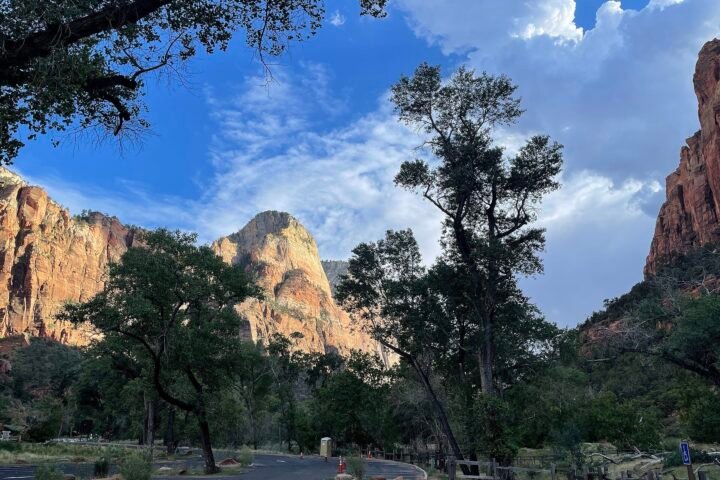
- Utah’s “Mighty 5”: Zion, Bryce Canyon, Capitol Reef, Arches and Canyonlands sit close enough for one epic week-long loop.
- Yellowstone and Grand Teton: Geysers, bison and wolves in the world’s first national park. Open fully only from roughly late May to October.
Best for: road trippers, hikers, photographers. Tip: since January 2026, visitors who aren’t US residents pay a $100-per-person surcharge (age 16+) on top of the entrance fee at 11 of the busiest parks, including Grand Canyon, Zion and Bryce Canyon. The America the Beautiful Non-Resident Annual Pass ($250) covers that surcharge for everyone in your car, so it often pays for itself on a single family visit. US residents still pay $80.
USA travel tips every first-timer should know
- Sort your entry paperwork early. Citizens of the 42 Visa Waiver Program countries (including the UK, Australia, Japan and most of Europe) need an approved ESTA for stays up to 90 days. The fee rose to $40.62 on October 16, 2026. Apply only through the official CBP site and allow at least 72 hours. Everyone else needs a visitor visa, which can take months.
- Budget for distance. Domestic flights save days on cross-country trips. Amtrak works well in the Northeast; almost everywhere else, rent a car.
- Tipping isn’t optional. Plan on 18–22% at sit-down restaurants, $1–2 per drink at bars, and 15–20% for taxis and rideshares.
- Prices don’t include tax. Sales tax is added at the register and varies by state, from 0% in Oregon to over 9% in parts of Louisiana and Tennessee.
- Get travel insurance with medical cover. US healthcare is world-class and eye-wateringly expensive.
- Time it right. Spring (April–May) and fall (September–October) bring the best weather and thinner crowds in most regions.
Pick your USA, then come back for more
The biggest mistake first-time visitors make is trying to see the whole country at once. Choose the region that matches how you like to travel: cities and trains in the Northeast, food and music in the South, or open roads and wilderness in the West. Go slow, and save the rest for next time. Most people who visit the USA once end up coming back.
Which region is calling you? Tell us in the comments, and subscribe to the Travespatial newsletter for our detailed itineraries for each one.

1 comment on “First Time in the USA: A Region-by-Region Travel Guide”