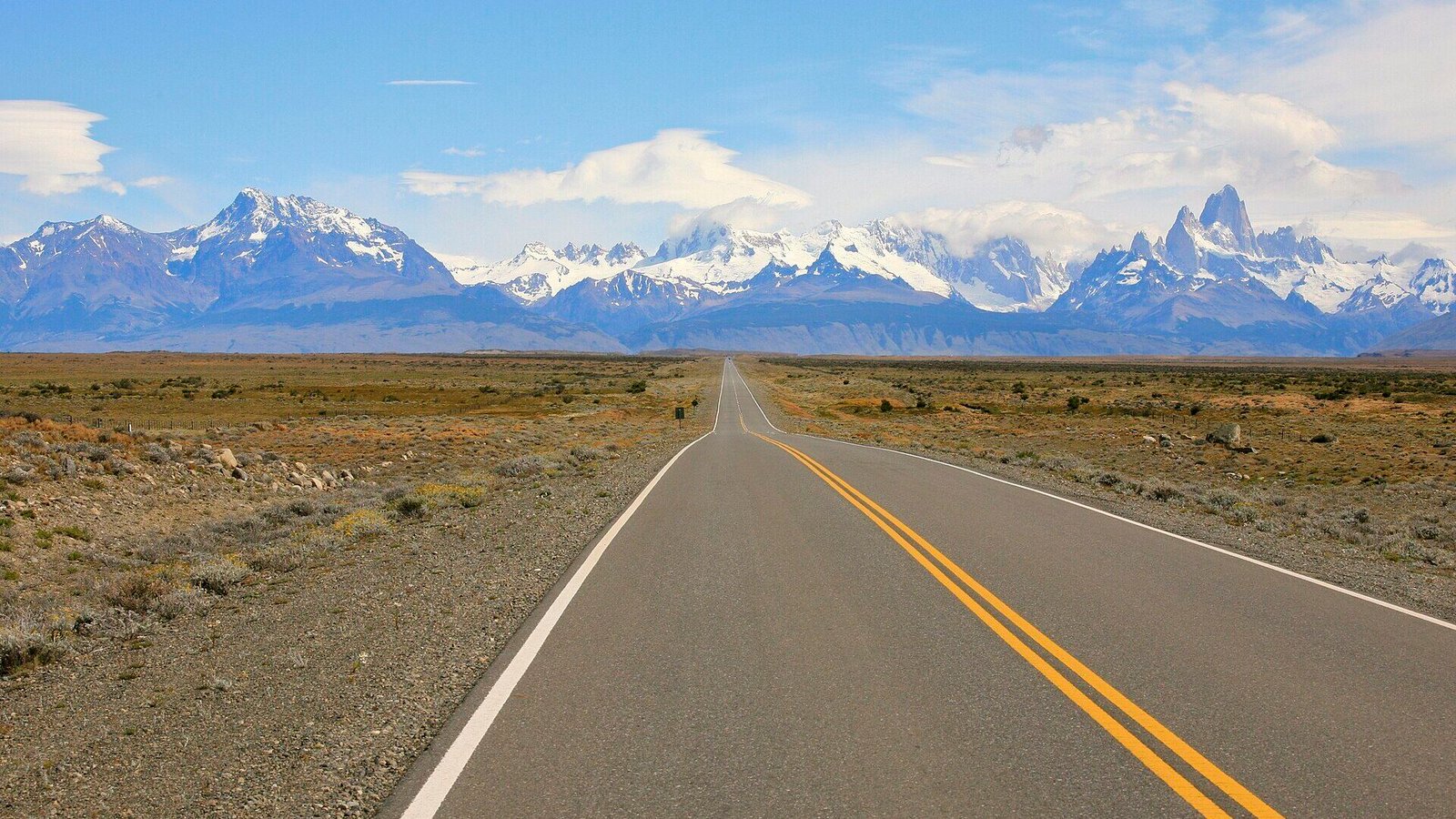
Picture three solo travellers, each arriving somewhere with mountains on the horizon. One is in a hostel in a trekking town with a week to spare. One is in a big city with weekend hills two hours away. One has a single free day and a trail that really shouldn’t be done alone. All three want the same thing: someone to hike with, without getting into a stranger’s car on trust alone.
Each needs a different method. This guide works through the three scenarios. The methods are real and well used; the travellers are composites, there to show which method fits which situation. A safety checklist at the end applies to all of them.
Scenario 1: the trekking town, with time to spare
A week in a hiking hub (think Pokhara, Huaraz, El Chaltén or Chamonix), staying in a hostel or guesthouse.
This is the easiest place on earth to find a hiking partner, because almost everyone there came for the same reason.
What works:
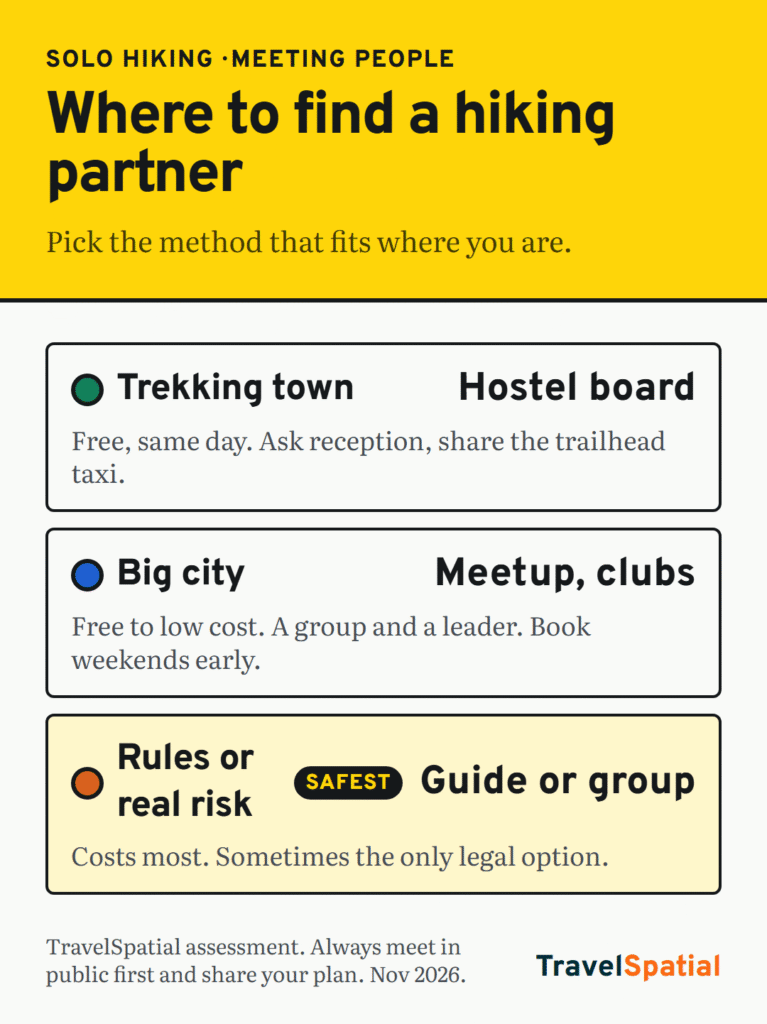
- The hostel noticeboard and group chat. Hostels in trekking towns often have a board, or a WhatsApp group, where guests post plans: “Going to the lake on Thursday, leaving at 7 am, anyone?” Add your own plan with a date, a time and the route.
- Reception staff. Ask who’s planning the same trek. Staff often know, and can introduce you.
- Gear rental and trekking agency counters. People renting the same kit are often heading the same way.
- Shared transport. If the trailhead needs a taxi or a minibus, sharing it is a natural reason to walk together.
Why it works: people in trekking towns have similar plans and some time to spare. Everyone is a little more open to strangers than they would be at home.
The catch: you won’t know your partner’s pace or experience. Do a shorter walk together first before you commit to anything long or remote.
Scenario 2: the city, with weekend hills
Two weeks in a big city with hiking country an hour or two away.
Locals hike here at weekends, so plug into the local scene instead of the backpacker one.
What works:
- Meetup and local hiking clubs. Many cities have hiking groups that post weekend walks on Meetup or similar platforms, and some welcome visitors. A post from Hostelworld lists Meetup among the best apps for solo travellers to meet people.
- Facebook groups for expats or hikers in that city. Search “[city] hiking” or “[city] expats outdoors”. Look for groups with recent posts and clear rules.
- Climbing gyms and running clubs. Bouldering gyms often have noticeboards, and city running clubs often do trail runs at weekends.
- Paid day hikes. Local companies run small-group day hikes from the city. They cost more, but transport, a guide and company are all arranged for you.
Why it works: organised groups have a meeting point, a leader and other people, which makes them safer than meeting one stranger.
The catch: group hikes are often only at weekends, and they fill quickly. Sign up as soon as you know your dates.
Scenario 3: one day, and a trail you shouldn’t do alone
A single free day, and a route that’s remote, technical or has rules for solo hikers.
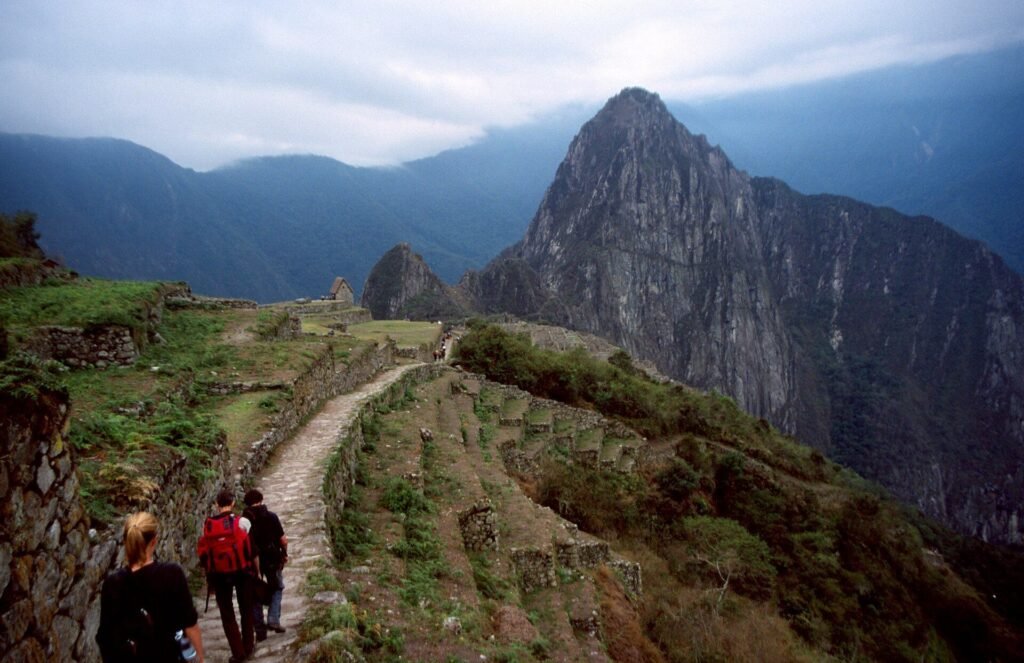
Some trails have rules, not just advice. Nepal requires licensed guides on most routes in national parks, conservation areas and restricted zones, and parts of Banff require groups of four during berry season. On a day like this, finding a partner isn’t a nice extra. It’s the plan.
What works:
- A guide or a guided group. It’s the most reliable option, and sometimes the only legal one. Many agencies will add you to an existing group.
- Teaming up at the trailhead where the rules allow it. At Banff’s Lake Minnewanka, for example, solo hikers can join up to make the required group of four. Agree before you start to stay together as the rule requires.
- A booked day tour if no guide is available. You lose the trail you wanted, but you get a hike with company.
The catch: a guide costs more when there’s no one to share it with. Ask agencies whether another solo traveller is booked on your dates.
Which method fits? (our assessment)
| Method | Cost | How fast | Safety | Best scenario |
|---|---|---|---|---|
| Hostel board or group chat | Free | Same day or next day | Medium: meet first | Trekking town |
| Reception or an agency introduction | Free | 1–2 days | Medium to good | Trekking town |
| Meetup or a local hiking club | Free to low | Next weekend | Good: there’s a group and a leader | City |
| Facebook group | Free | A few days | Varies: check members and group rules | City |
| Paid day hike | Medium | Book ahead | Good | City, or a one-off day |
| Guide or guided group | Highest | Book ahead | Best | Restricted or remote trails |
The safety checklist (for every scenario)
Meeting people to hike with is normal. Doing it with some care is too:
- Meet in public first. Have a coffee or a short walk the day before.
- Share less online. Don’t post your accommodation or your exact plans for being alone in a public group.
- Make your own way to the trailhead if you’re unsure about the person. A shared taxi with other people is fine. A lift from a single stranger is the riskier option.
- Tell someone who you’re going with, with their name and a photo, plus your route and the time you’ll be back.
- Agree the plan before you start: pace, turnaround time, and what happens if one of you wants to turn back.
- Keep your own kit and your own safety net. Your partner’s water, phone and map aren’t yours. Carry what you’d carry if you were alone.
- Trust your instinct. You can cancel a hike with a stranger at any point.
For a full plan on the days you end up hiking alone after all, our guide to planning your first adventure trip covers the basics.
If hiking isn’t the only goal
Hiking partners often become travel companions for the rest of the trip. If what you really want is company that isn’t a dorm party, our guide to meeting people when travelling solo without a dorm covers more ideas. If you’re staying somewhere for weeks rather than days, the digital nomad guide to making friends explains how to build a regular group.
The short version
How you find a hiking partner abroad depends on where you are. In trekking towns, use hostel boards, reception and shared transport. In cities, join Meetup groups, local clubs or paid day hikes. On trails with rules for solo hikers or real risk, book a guide or join a group that meets the rule. Whatever the method, meet in public first, tell someone who you’re with, and keep your own kit and safety plan. For more solo adventure planning, sign up for the TravelSpatial newsletter.
Sources
- Hostelworld: best apps for solo travellers to meet people (checked November 2026)
- Parks Canada: Lake Minnewanka seasonal trail restrictions (checked November 2026)
- In Your Pocket: Do you need a guide to trek in Nepal? (checked November 2026)
Photo credits
- Long Road to El Chalten (5452083285) by Alex Proimos from Sydney, Australia, CC BY 2.0, via Wikimedia Commons
- Camino-inca-dia4-c06 by Colegota, CC BY-SA 2.5 es, via Wikimedia Commons
The infographic is original to TravelSpatial. Photos are used under the licences linked above.