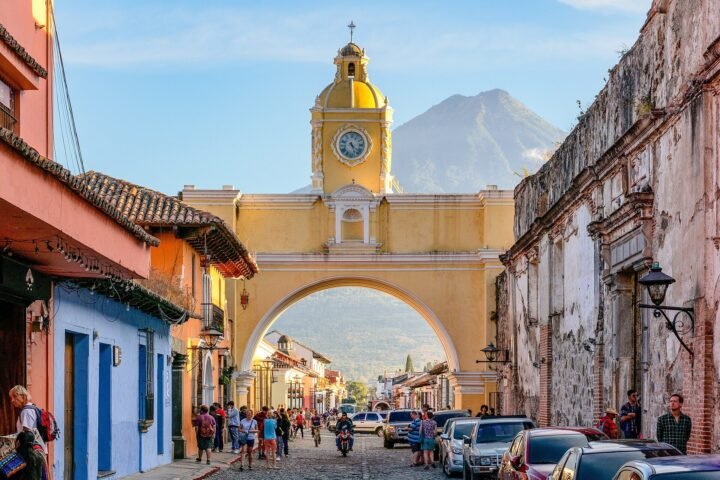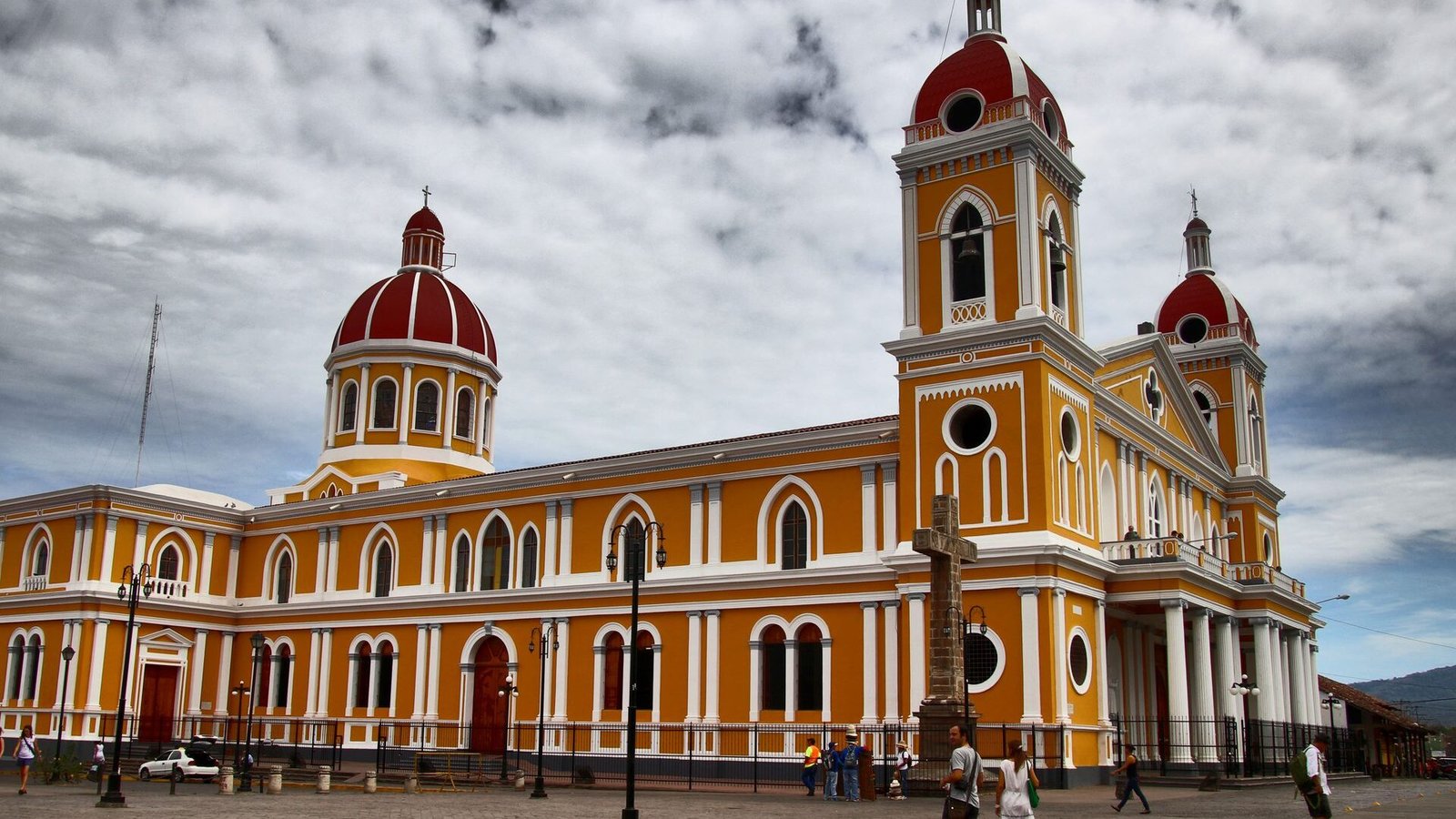
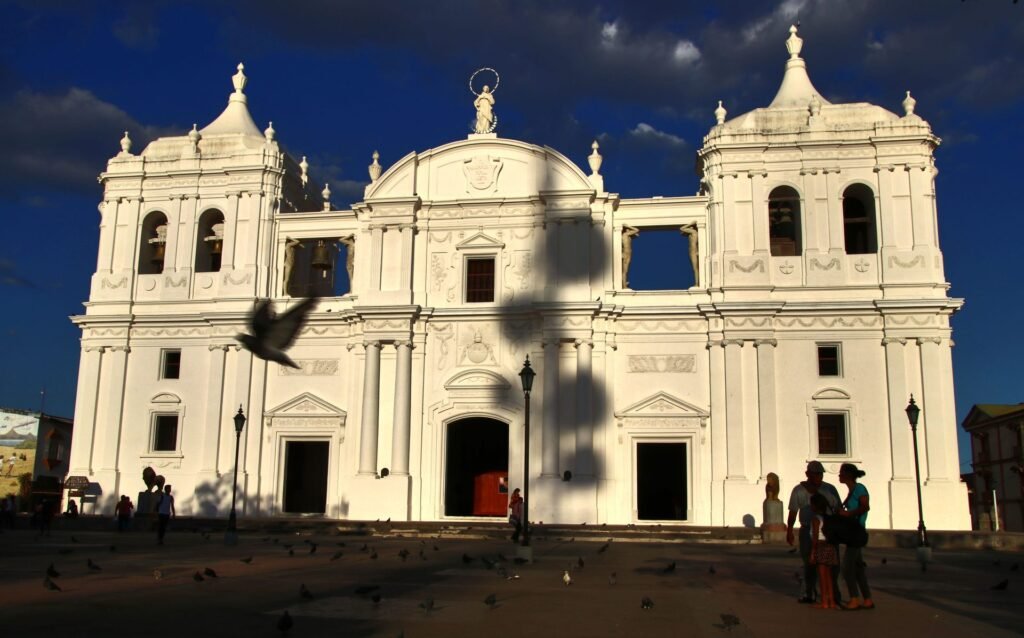
Granada and León are often described as rivals. Both are colonial cities with grand cathedrals, but they look in different directions. Granada sits on Lake Nicaragua, which puts the lake islands, Masaya volcano and the ferry to Ometepe within reach. León looks towards the Pacific side and the Maribios volcano chain, and it’s the base for sliding down Cerro Negro on a board.
So the honest answer is that the better base depends on which day trips you want. If you have a week, sleep in both. If you can only choose one, read on.
Before anything else: check your own government’s travel advice for Nicaragua the week you go. Rules on entry, political activity and drones are strict, and they’re set out at the end of this guide. Everything here was checked in November 2026.
Two bases at a glance
| Granada | León | |
|---|---|---|
| Faces | Lake Nicaragua | The Pacific lowlands and volcano chain |
| Signature day trip | Ometepe island, via the San Jorge ferry | Cerro Negro volcano boarding |
| Also within reach | Masaya volcano (night tours), Las Isletas | León Viejo ruins, Pacific beaches |
| Best for | Lakes, islands, gentler sightseeing | Volcano adventure |
| Volcanoes nearby (all active, per the UK Foreign Office) | Masaya; Concepción on Ometepe | Cerro Negro, Telica, San Cristóbal |
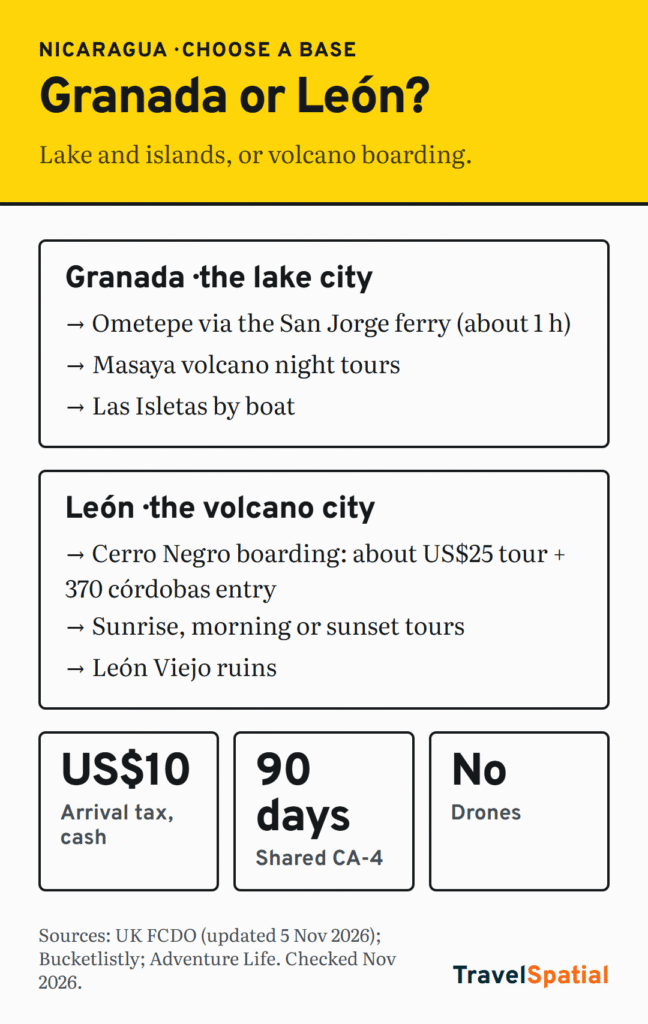
Granada: the lake city
Granada’s appeal is what lies in front of it. Lake Nicaragua is big enough to have islands, and two of the best day trips in the country start here.
Ometepe. The twin-volcano island is a long day trip from Granada, or better, an overnight. You drive south to the port of San Jorge and catch a ferry across, which takes about an hour. Bucketlistly lists the pier fee and ticket together at about 88 córdobas per person, and puts the trip from Ometepe back to Granada at about three hours and around US$22 by ferry and shuttle. That’s a lot of travelling for one day, so if you can, give Ometepe at least one night.
Masaya volcano. Evening tours to the crater leave from Granada, and one listing on Adventure Life starts at US$75. Masaya is an active volcano, so go with a licensed guide. The UK Foreign Office says not to hike active volcanoes without an experienced guide.
Las Isletas. A cluster of small islands on Lake Nicaragua, close to the city and easy to visit by boat. It works well as a half-day.
Choose Granada if: your list includes Ometepe, Masaya or both, or you’d rather spend your days on water than on ash slopes.
León: the volcano city
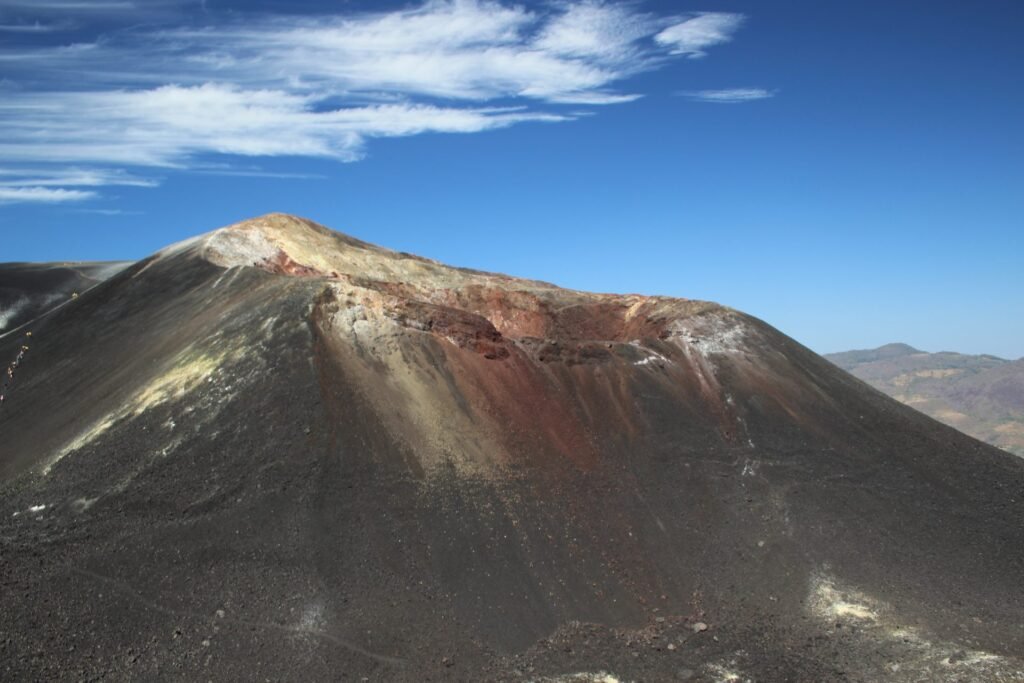
León’s star attraction is Cerro Negro, about 25 km northeast of the city. It’s among the youngest volcanoes in the country, and visitors board or simply walk down its loose black slope. Bucketlistly puts a typical tour at about US$25, plus a 370 córdoba (about US$10) volcano entrance fee. Tours run at sunrise from about 04:00, in the morning from about 08:30 to 14:00, and at sunset from about 16:00 back to the city by 20:00–21:00.
It’s hot and exposed up there. Carry more water than you think you’ll need, and choose sunrise or sunset over midday if you can.
León Viejo. Some tour packages offer the ruins of the original colonial city as an alternative day. If you’d rather see history than slide down an ash slope, this is the gentler choice.
Choose León if: volcano boarding is the reason you’re coming, or you want a base for the Pacific-side volcano chain.
Getting between them
Shared tourist shuttles link Granada and León. Bucketlistly mentions a Granada–León shuttle at around US$25. Ask your hostel for that day’s departure times and confirm the price when you book.
Have a week? Do both
A route that wastes the least time:
- León, 2 nights. Do Cerro Negro on the first full morning.
- Granada, 3 nights. Masaya by night and the Isletas by day.
- Ometepe, 2 nights. Ferry from San Jorge, and return through San Jorge to continue south to Costa Rica, or back to Granada.
The order follows the map: from León south to Granada, then to San Jorge and the ferry.
Before you go: rules that matter
These come from the UK Foreign Office’s entry requirements and safety pages (main page updated 5 November 2026):
- Arrival tax: US$10, in cash.
- Passport: valid for at least 6 months after you arrive. You may be refused entry without an onward ticket.
- Shared 90 days: your stay counts against the 90-day CA-4 allowance shared with Guatemala, El Salvador and Honduras. Our visa map explains how to check your own passport.
- No drones. Possessing and using drones is prohibited.
- Stay out of politics. It’s illegal for foreigners to take part in political activity, including protests and using the blue-and-white national flag at demonstrations. You can be arrested, detained or deported.
- Money: US dollars are the only foreign currency freely exchanged.
- Taxis: use radio-dispatched or authorised red-plate taxis, and avoid unofficial colectivos.
- The sea: sections of the Pacific coast have strong currents and no lifeguards.
The short version
Base yourself in Granada for Ometepe, Masaya and the lake, and in León for Cerro Negro (about US$25 plus a 370-córdoba entry fee). With a week, do León, then Granada, then Ometepe, travelling north to south. Whatever you choose, bring US$10 cash for arrival, an onward ticket and no drone. If Nicaragua is one stop on a longer trip, our Isthmus Run backpacking route shows how it connects to Honduras and Costa Rica.
Want the next route in your inbox? Join the TravelSpatial newsletter for one mapped itinerary a week.
Sources
- UK FCDO: Nicaragua travel advice, entry requirements and safety and security (updated 5 November 2026; checked 16 November 2026)
- Bucketlistly: 2-week Nicaragua itinerary (San Jorge ferry, Cerro Negro tours, shuttle prices)
- Adventure Life: Granada tours (Masaya night tour listing)
Photo credits
- Nicaragua 2017-03-15 (33978834325) by Guillaume Baviere from Uppsala, Sweden, CC BY-SA 2.0, via Wikimedia Commons
- Nicaragua 2017-03-13 (32976253324) by Guillaume Baviere from Uppsala, Sweden, CC BY-SA 2.0, via Wikimedia Commons
- Cerro Negro volcano in Nicaragua 01 by Lionel Duchoiselle (https://www.geodiversite.net/auteur386), CC BY-SA 3.0, via Wikimedia Commons
The infographic is original to TravelSpatial. Photos are used under the licences linked above.