

Which digital nomad visa can you actually get on your income? This page sets out the digital nomad visa income requirements for eight popular programmes in 2026. The thresholds are shown in each country’s own currency, because that’s how consulates assess them, and every figure says where it comes from. Official sources are marked; where only a secondary source was available, we say so. Thresholds change, often every January, so confirm with the consulate before you apply.

The thresholds at a glance
| Country and programme | Income or savings requirement (2026) | Basis | Source type |
|---|---|---|---|
| Colombia, digital nomad visa | About COP 5,252,715 a month | 3 × minimum wage | Secondary |
| Costa Rica, remote worker stay | US$3,000 a month (US$4,000 with dependants) | Fixed | Tourism board |
| Spain, international telework visa | About €2,849 a month | 200% of minimum wage | Official wage figure |
| Croatia, digital nomad temporary stay | About €3,622.50 a month | Linked to average net salary | Secondary |
| Portugal, D8 remote work visa | About €3,680 a month | 4 × minimum wage | Official wage figure |
| Indonesia, E33G remote worker | US$60,000 a year, plus US$2,000 in the bank | Fixed | Official |
| Thailand, Destination Thailand Visa (DTV) | THB 500,000 balance for 3 months | Savings, not income | Official |
| Georgia | None (visa-free stay for many passports) | Not a nomad visa | See notes |
The order runs roughly from lowest to highest bar for a typical salaried remote worker. Exchange rates move, so convert at today’s rate.
How to read a threshold
Income or savings? Most programmes want steady monthly income. Thailand’s DTV is the main exception: it asks for a bank balance. A threshold based on savings suits freelancers with uneven income. A threshold based on income suits salaried employees.
Fixed or linked? Spain, Portugal and Colombia tie their thresholds to the national minimum wage, and Croatia to the average salary. When the base figure rises, the threshold rises too, usually from January.
Gross or net? Consulates usually assess gross income from contracts, payslips or invoices, often over the last three to six months. Ask before you assume.
Dependants. Bringing a partner or children usually raises the threshold.
Country notes
Thailand: Destination Thailand Visa (DTV)
The official e-visa site lists a “workcation” category for digital nomads, remote workers and freelancers. Applicants need “last-3-month bank statement(s) … with a minimum balance of 500,000 THB or equivalent” (or a sponsorship letter), an employment contract or portfolio, and a criminal record certificate. The visa allows multiple entries and is valid for five years (Thailand e-Visa, DTV, checked November 2026). Each embassy can ask for more, so check the one you’ll apply to.
Indonesia: E33G remote worker visa
The Directorate General of Immigration asks for income of at least US$60,000 a year from a company established outside Indonesia, plus three months of bank statements showing at least US$2,000. The stay is one year, extendable, and the government fee is listed as Rp 7,000,000 (Imigrasi, E33G, checked November 2026). You can’t work for Indonesian clients.
Spain: international telework visa
The requirement is 200% of Spain’s minimum wage (SMI). For 2026, the SMI is €1,221 a month in 14 payments under Royal Decree 126/2026 (BOE). Doubled and spread over 12 months, that’s about €2,849 a month (€34,188 a year). We couldn’t reach the visa page itself, so confirm the calculation with your consulate.
Portugal: D8 remote work visa
The requirement is four times Portugal’s minimum wage. For 2026, the national minimum wage is €920 a month under Decree-Law 139/2025 (APCMC), giving about €3,680 a month. The official visa portal wasn’t reachable when we checked.
Croatia: digital nomad temporary stay
Several 2026 guides put the threshold at €3,622.50 a month, with savings options for the full stay (Remote Work Europe). We couldn’t confirm this on the Croatian interior ministry’s site. Older figures still circulate, so check with the ministry.
Costa Rica: remote worker stay
Costa Rica’s tourism board says applicants need to earn at least US$3,000 a month, or US$4,000 with dependants. The stay runs for one year, renewable for one more, with a one-off US$100 payment (Visit Costa Rica, checked November 2026).
Colombia: digital nomad visa
The requirement is three times the monthly minimum wage. With the 2026 minimum wage at COP 1,750,905, specialists put the threshold at about COP 5,252,715 a month (Nexo Legal). Colombia’s foreign ministry blocked our check, so confirm with Cancillería. If you’re thinking about Medellín, see where to live there for a month. Our Colombia route guide covers the rest of the country.
Georgia: no nomad visa needed (for many passports)
Georgia lets citizens of many countries stay visa-free for up to a year, and doesn’t set an income threshold for that. Our Tbilisi guide covers where to live. It isn’t a work permit, though, and since 1 January 2026 visitors must hold health and accident insurance for their whole stay (GPI Holding).
Five questions people ask
Does a digital nomad visa mean I pay no tax? No. A visa gives you the right to stay. Tax depends on where you’re resident and on your home country’s rules. Some programmes have special tax rules, many don’t. Get advice.
Can freelancers apply? Usually, with contracts and invoices from clients abroad. Indonesia’s E33G is written around employment by a foreign company, so freelancers should check before applying.
Can I work for local clients? Generally not. These visas are for remote work for employers or clients abroad.
Do I need a degree? Most of these programmes ask for proof of remote work and income, not a degree. Check the documents list for your chosen country.
Do I need one at all? For a month or two, a normal visitor stay may be enough. It isn’t a work permit, though, so check what your passport allows and what your employer permits. Our first month as a digital nomad plan starts with exactly those checks. Our visa map and time-zone map for remote work are good starting points.
Summary
Colombia and Costa Rica set the lowest income bars of the programmes here. Spain sits in the middle, and Croatia and Portugal ask for around €3,600–3,700 a month. Indonesia asks for US$60,000 a year. Thailand’s DTV is the outlier, asking for THB 500,000 in savings rather than income. Georgia needs no nomad visa for many passports, but does now need insurance. Most programmes also want health insurance (see our nomad insurance guide). Whatever you choose, confirm the current figure with the consulate, keep three to six months of payslips or invoices ready, and get tax advice before you move.
For more guides like this, sign up for the TravelSpatial newsletter below.
Sources
- Thailand e-Visa: Destination Thailand Visa (DTV) (official), checked November 2026
- Directorate General of Immigration, Indonesia: E33G (official), checked November 2026
- BOE: Real Decreto 126/2026, minimum wage for 2026 (official)
- APCMC: Portugal’s 2026 minimum wage set at €920
- Remote Work Europe: Croatia’s 2026 threshold (secondary)
- Visit Costa Rica: digital nomad requirements, checked November 2026
- Nexo Legal: Colombia digital nomad visa (secondary)
- GPI Holding: mandatory insurance for tourists visiting Georgia
Photo credits
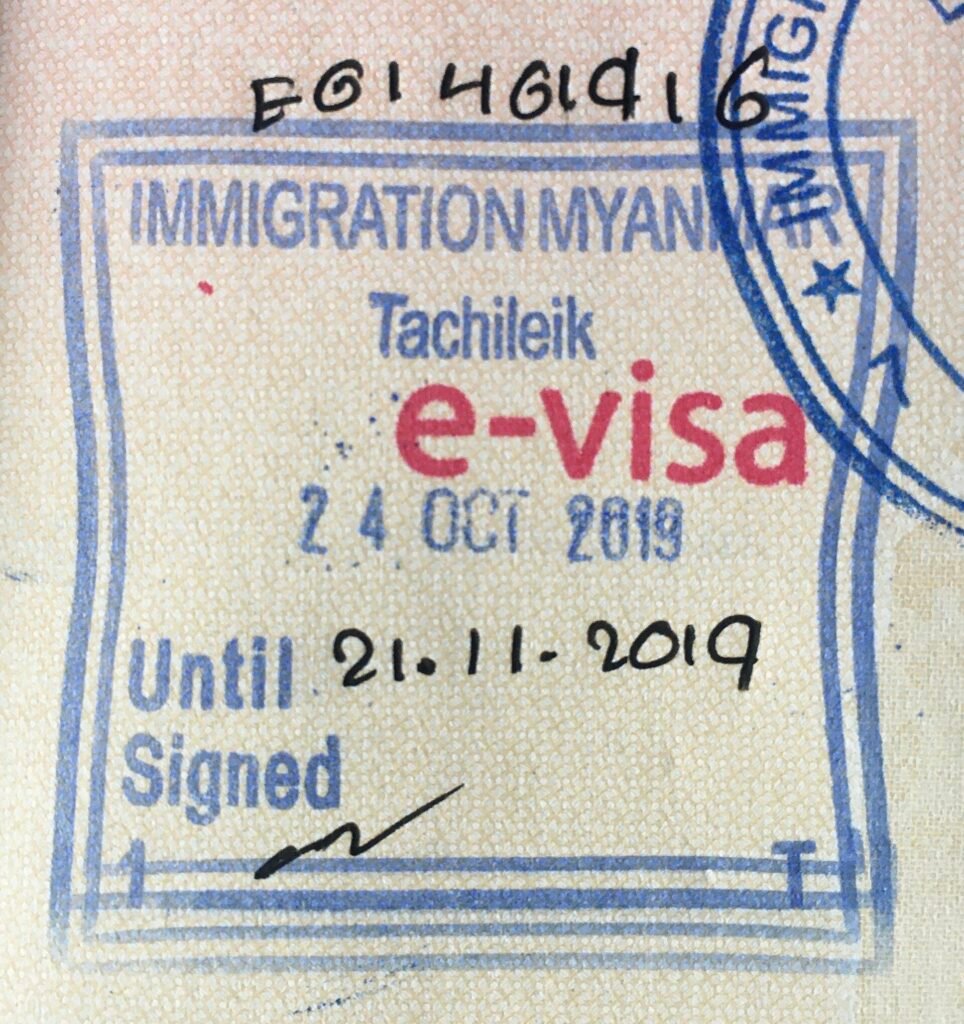
- Myanmar passport stamp Tachileik e-visa in 1 by Slleong, CC0, via Wikimedia Commons
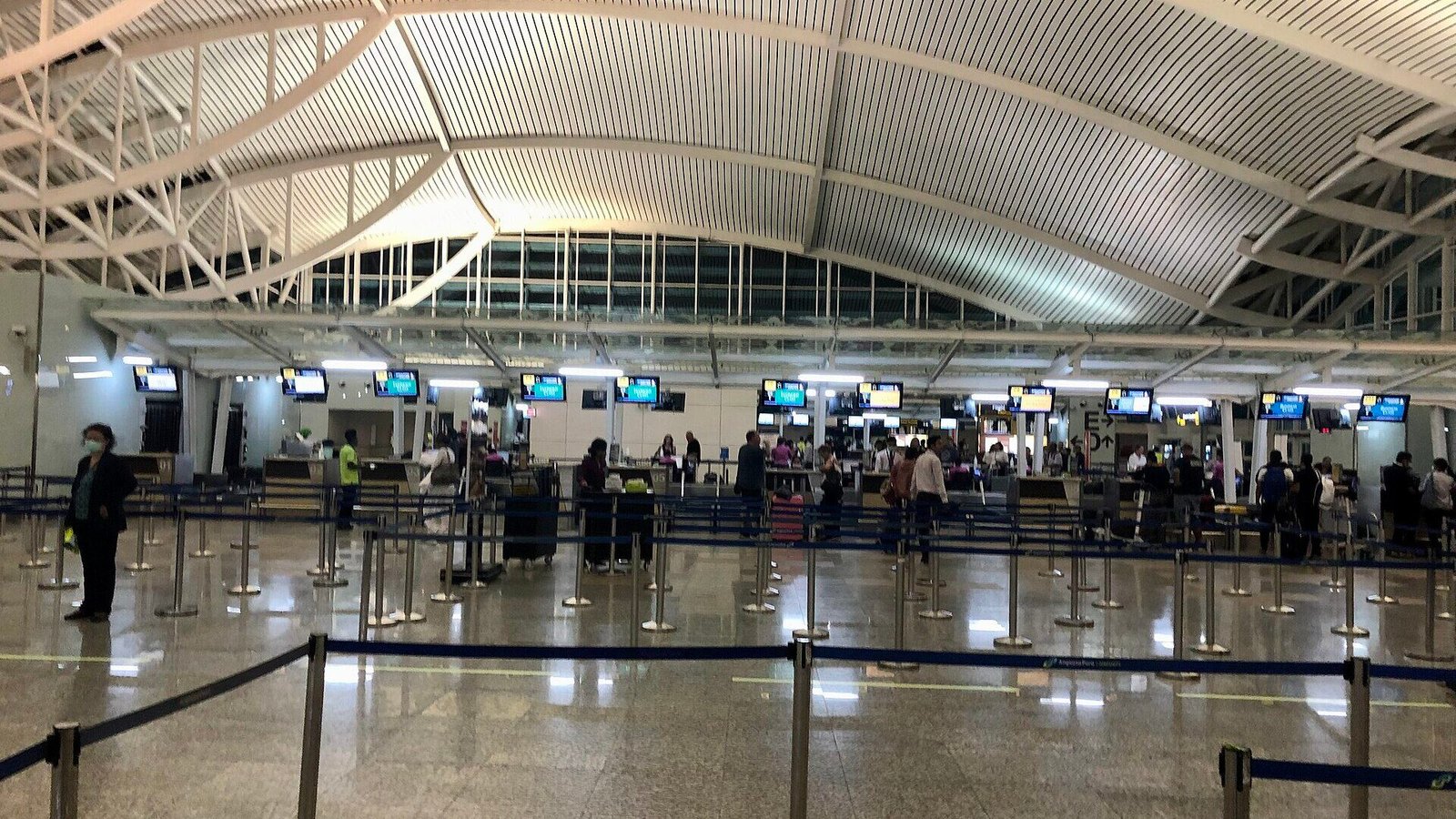
- Immigration arrival hall at DPS airport (International Bali Airport) by Pinterpandai.com, CC BY-SA 3.0, via Wikimedia Commons
The infographic is original to TravelSpatial. Photos are used under the licences linked above.
2 comments on “Digital Nomad Visa Income Requirements 2026: Eight Programmes Compared”